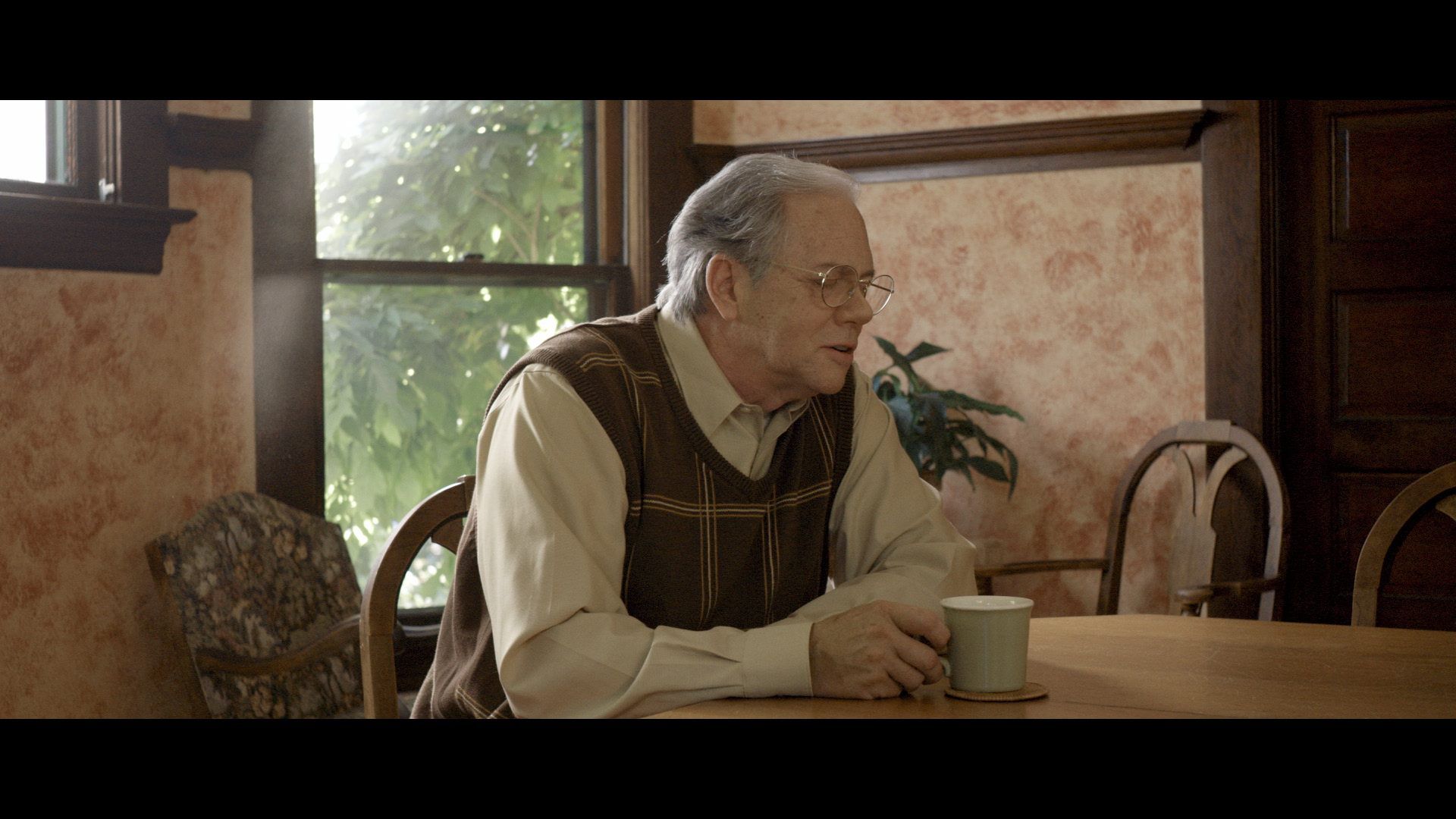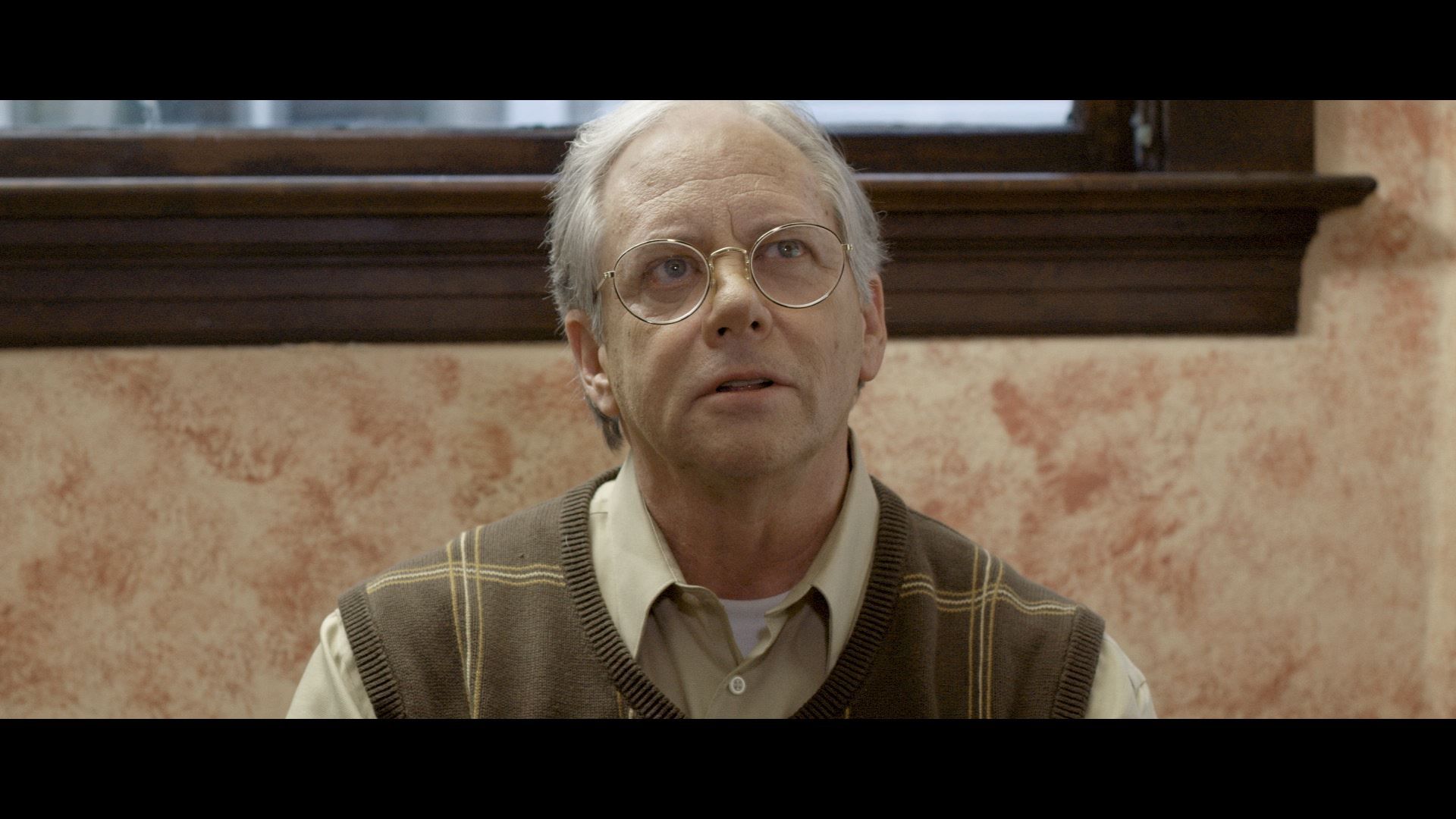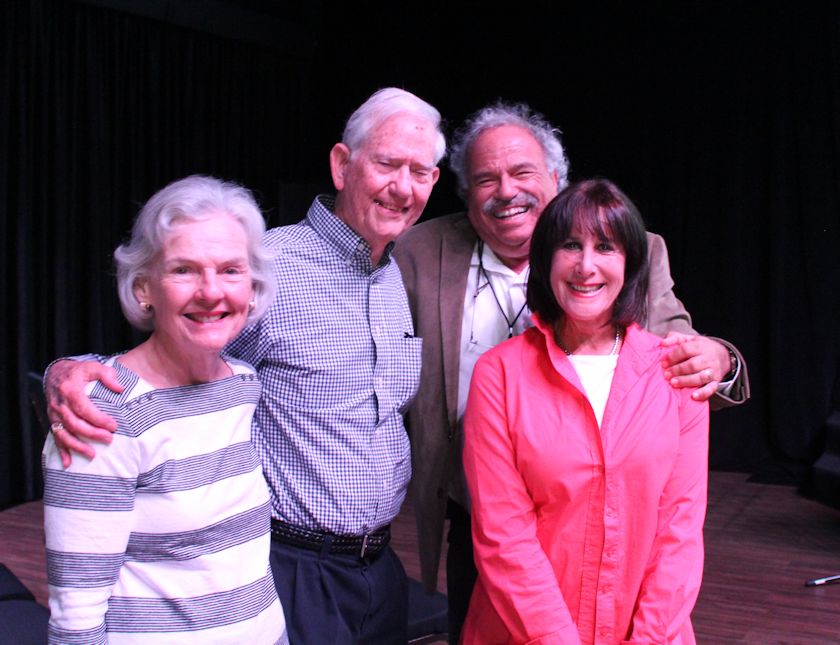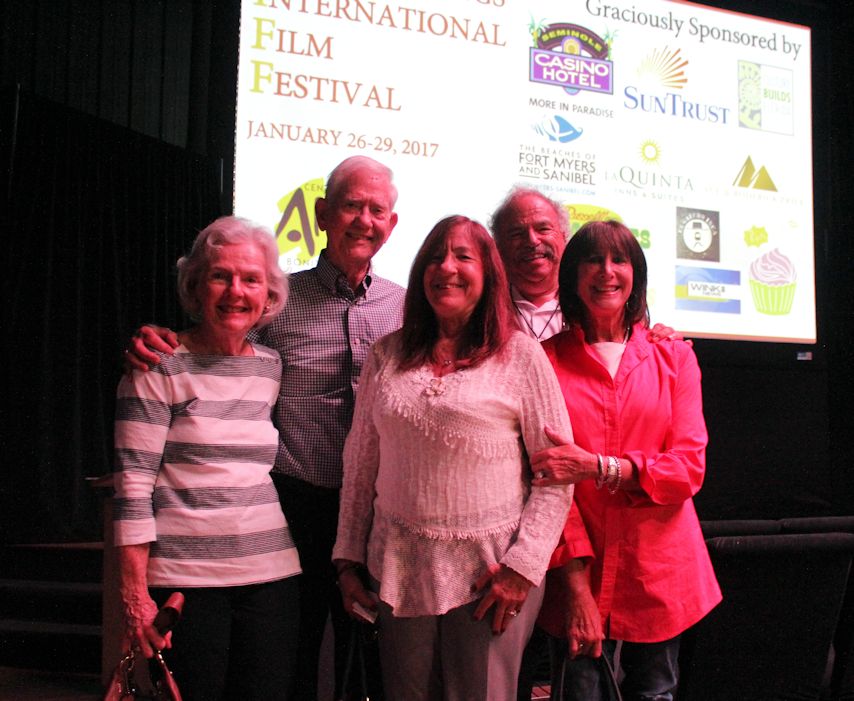
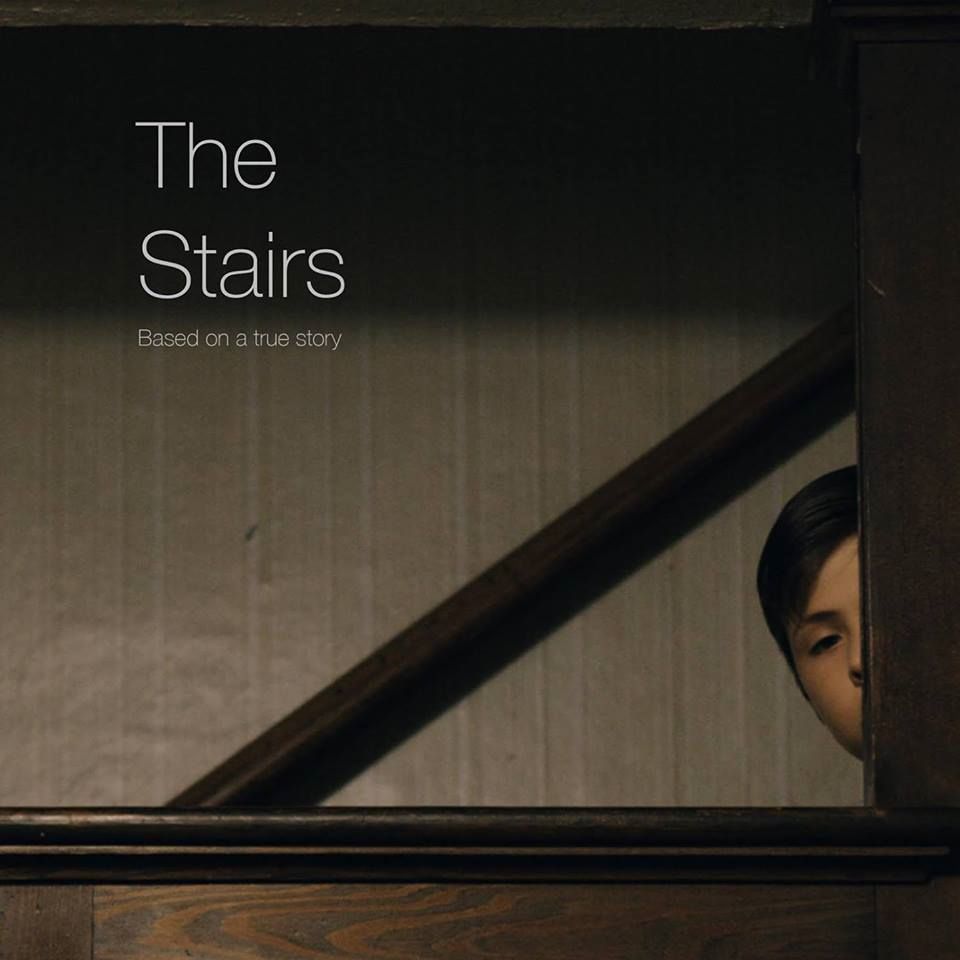
 Today is Holocaust Remembrance Day, and the Second Annual Bonita Springs International Film Festival observed the occasion by screening The Stairs, a Holocaust remembrance film. Part of Florida Short Films Package #1, The Stairs features an elderly man who listens to a tape recording of his father describing his most horrific experience in Auschwitz during World War II – the day he was excluded at the last minute from being gassed with other Jews who’d been brought by cattle cars to the infamous Nazi death camp.
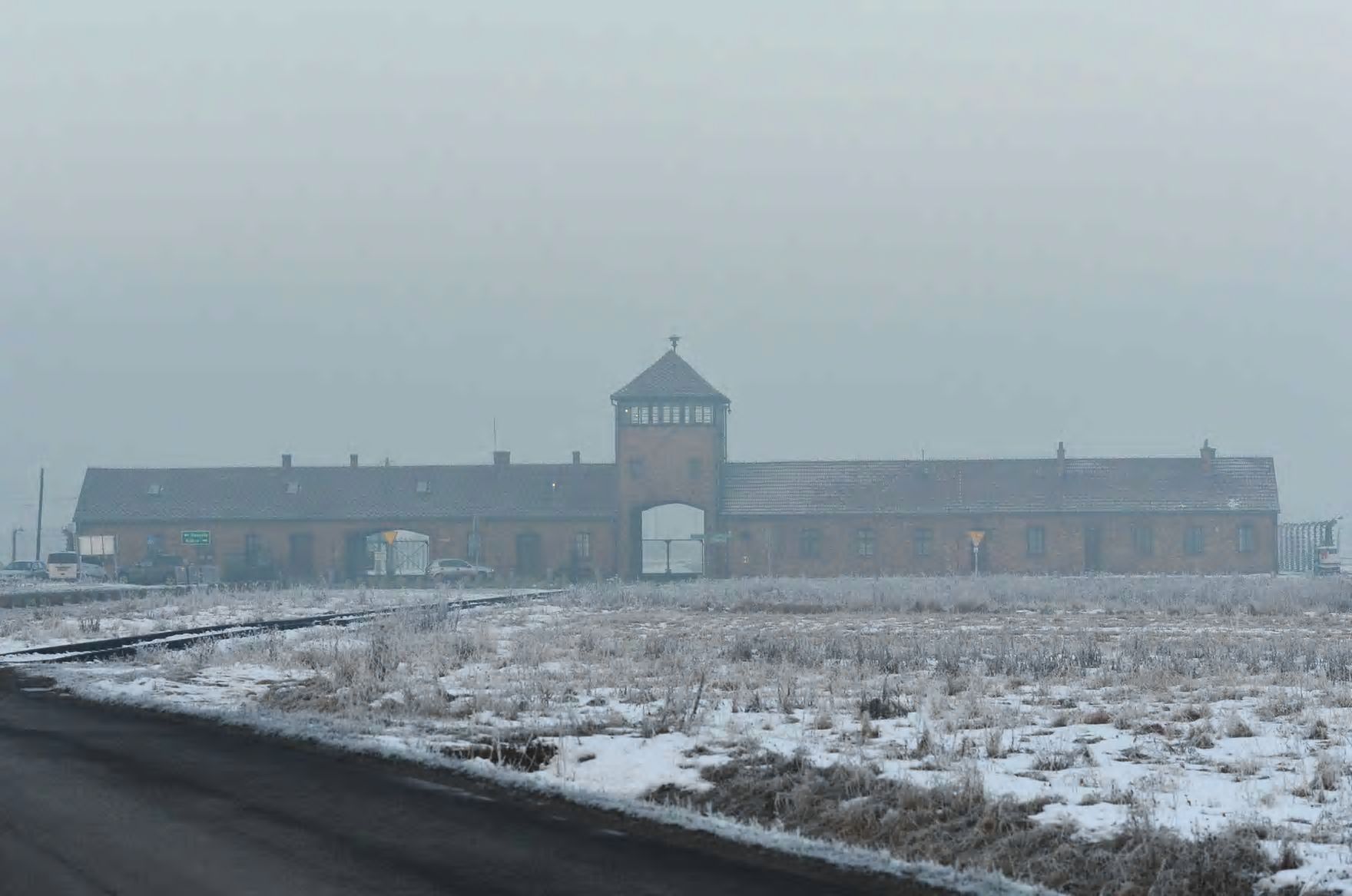
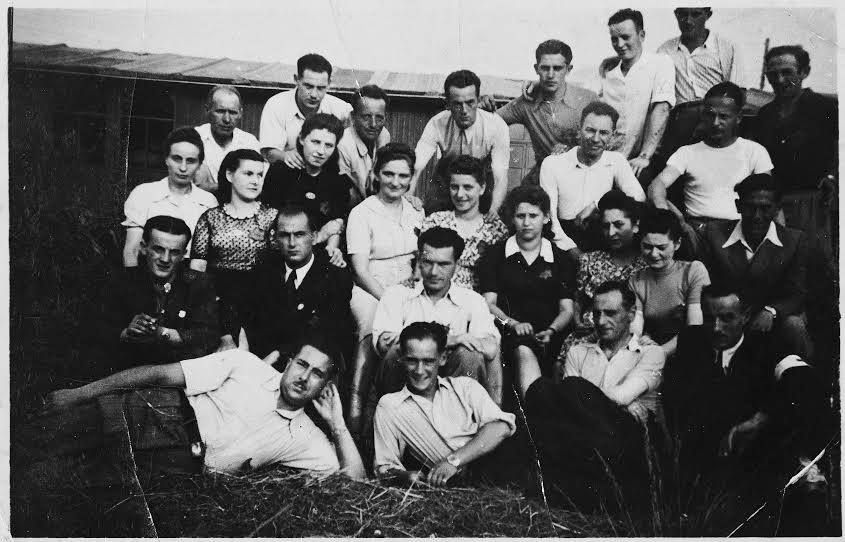 The Auschwitz-Birkenau concentration and death camp was liberated by the Red Army on January 27, 1945. The United Nations General Assembly chose this date in 2005 as an international memorial day on which to commemorate the genocide that resulted in the death of an estimated 6 million Jewish people, 2 million Romani people,
 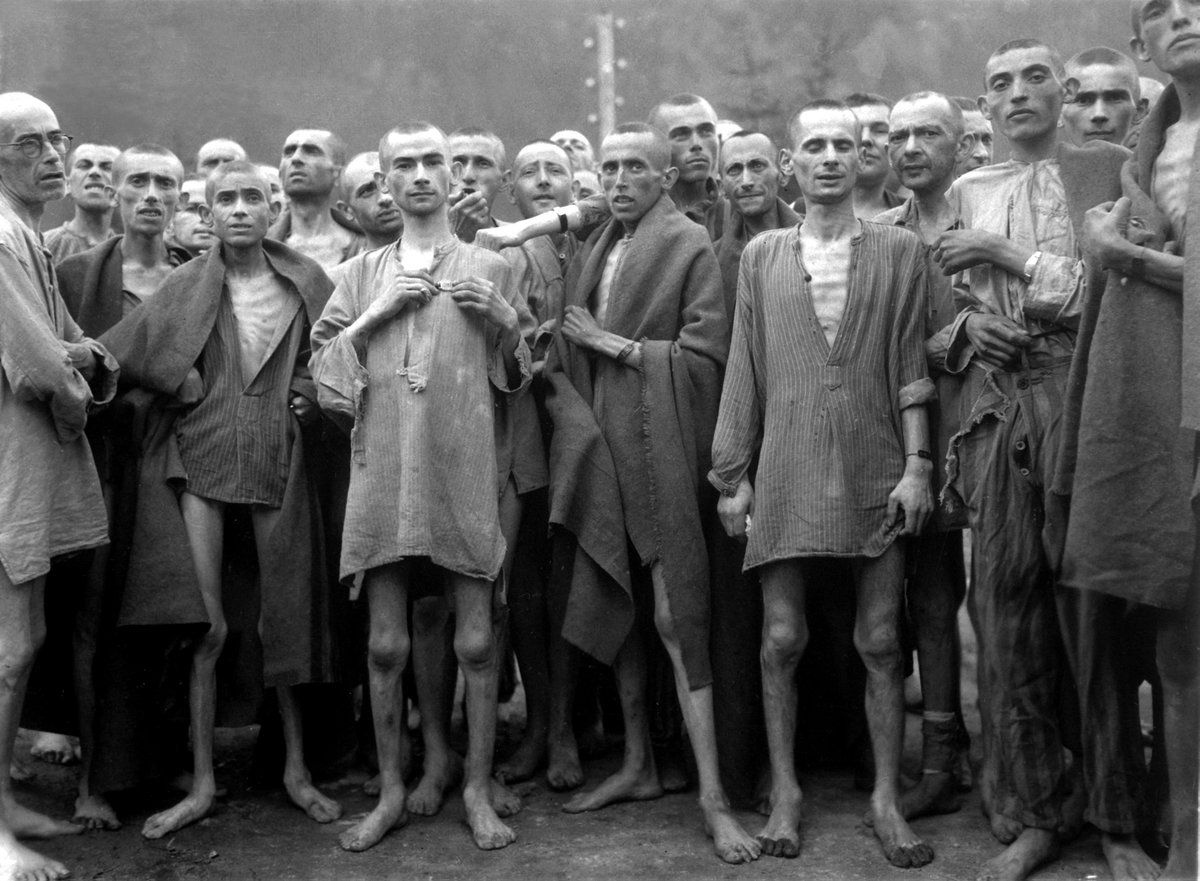 250,000 mentally and physically disabled people, and 9,000 homosexual men by the Nazi regime and its collaborators.
In Poland, survivors gathered with political leaders and representatives of Poland’s Jewish community at the site where Germany murdered about 1.1 million people during World War II, mostly Jews from across Europe, but also Poles, Roma, 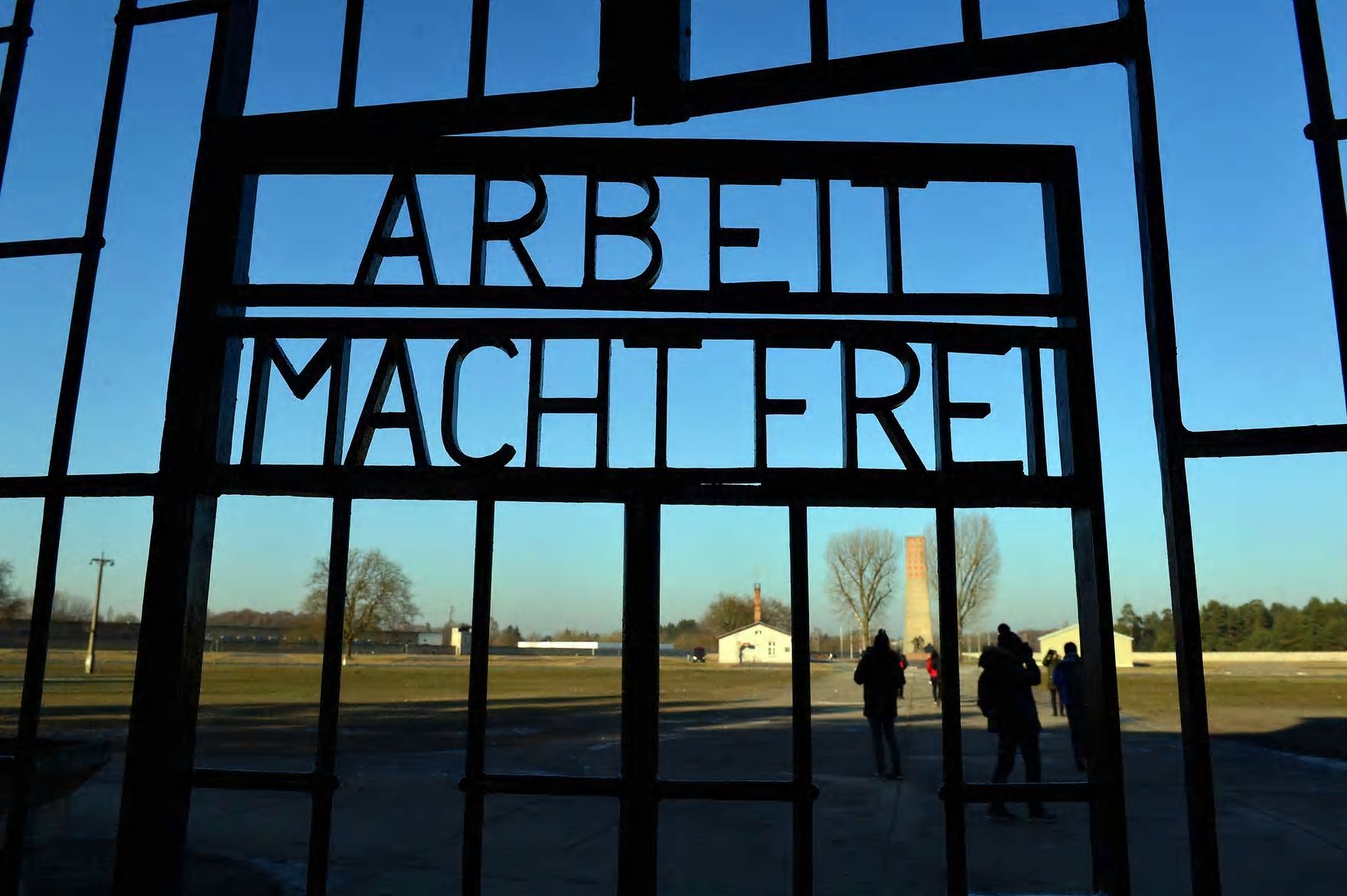 Soviet prisoners of war and others. Jewish and Christian leaders prayed over the ruins of gas chambers, with some warning of rising xenophobic hatred against Jews, Muslims and others. Poland’s Prime Minister, Beata Szydlo (who is from the Polish town of Oswiecim where the Auschwitz memorial and museum is located) recalled the “destruction of humanity” and the
  “ocean of lost lives and hopes” that resulted from the German genocide.
“Tragically, and contrary to our resolve, anti-Semitism continues to thrive,” U.N. Secretary-General Antonio Guterres said. “We are also seeing a deeply troubling rise in extremism, xenophobia, racism and anti-Muslim hatred. Irrationality and i ntolerance are back.”
In Germany, outgoing Foreign Minister Frank-Walter Steinmeier said his nation sticks by its obligation to take responsibility for the crimes committed by the Nazi regime of Adolf Hitler. Noting the political instability in the world today, Steinmeier said, “History should be a lesson, 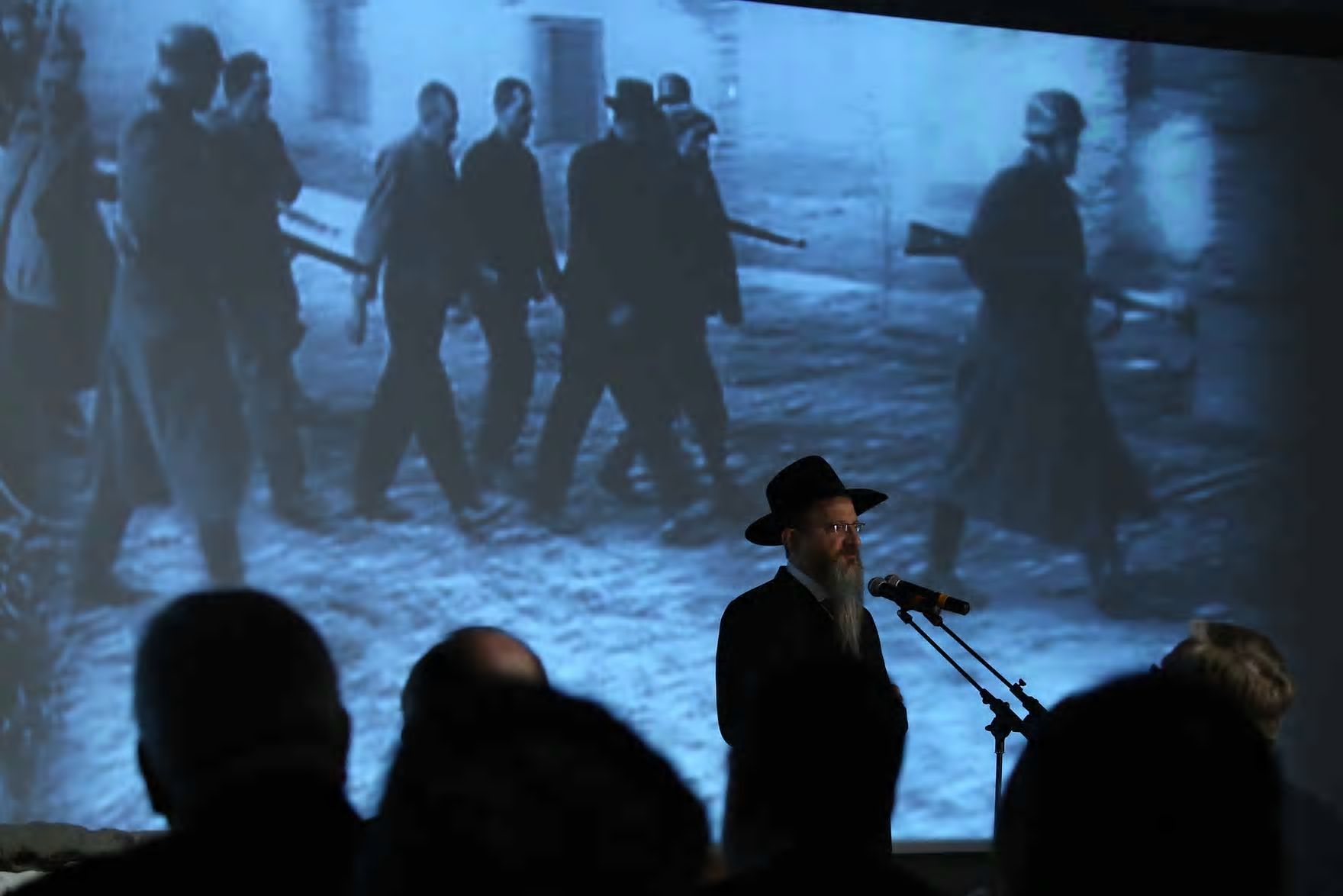 warning and incentive all at the same time. There can and should be no end to remembrance.”
Many other commemorative events were held across the world. However, the commemoration was marred by protests over U.S. President Donald Trump’s tone-deaf announcement of “extreme vetting” for Muslim refugees from seven Middle Eastern  countries seeking to immigrate to the United States, causing many to draw parallels to the United States’ refusal to admit Jews fleeing the Nazi regime in the 1930s, including Anne Frank and her family.
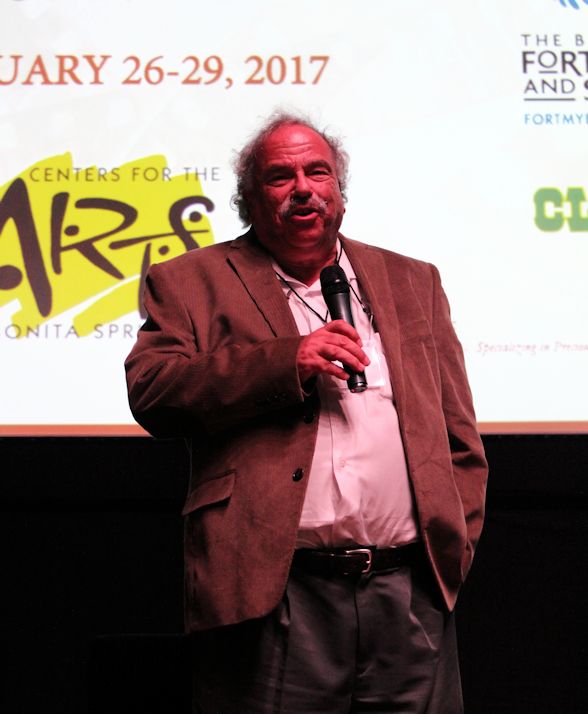
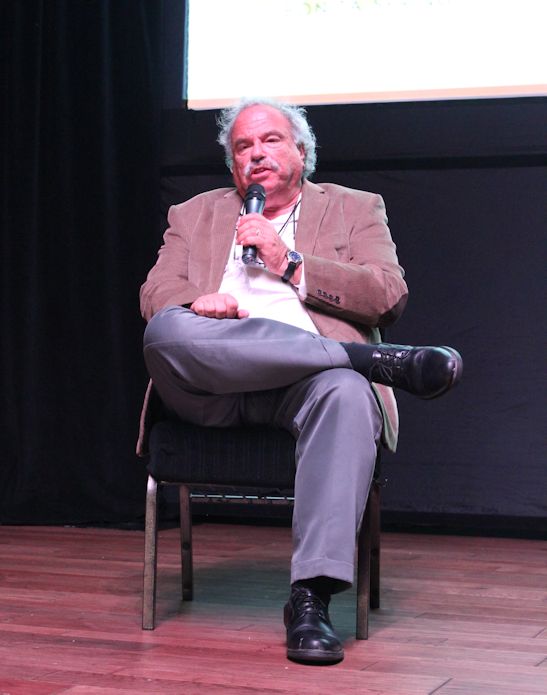
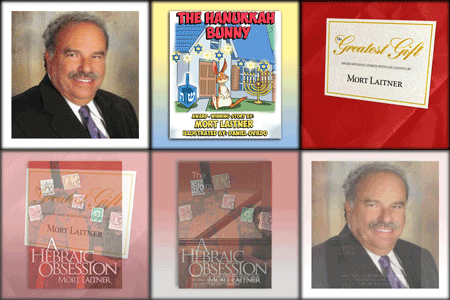
The Stairs starts and ends with a flashback to a night when a 10-year-old child sat at the top of the stairs eavesdropping on his parents’ conversation with a 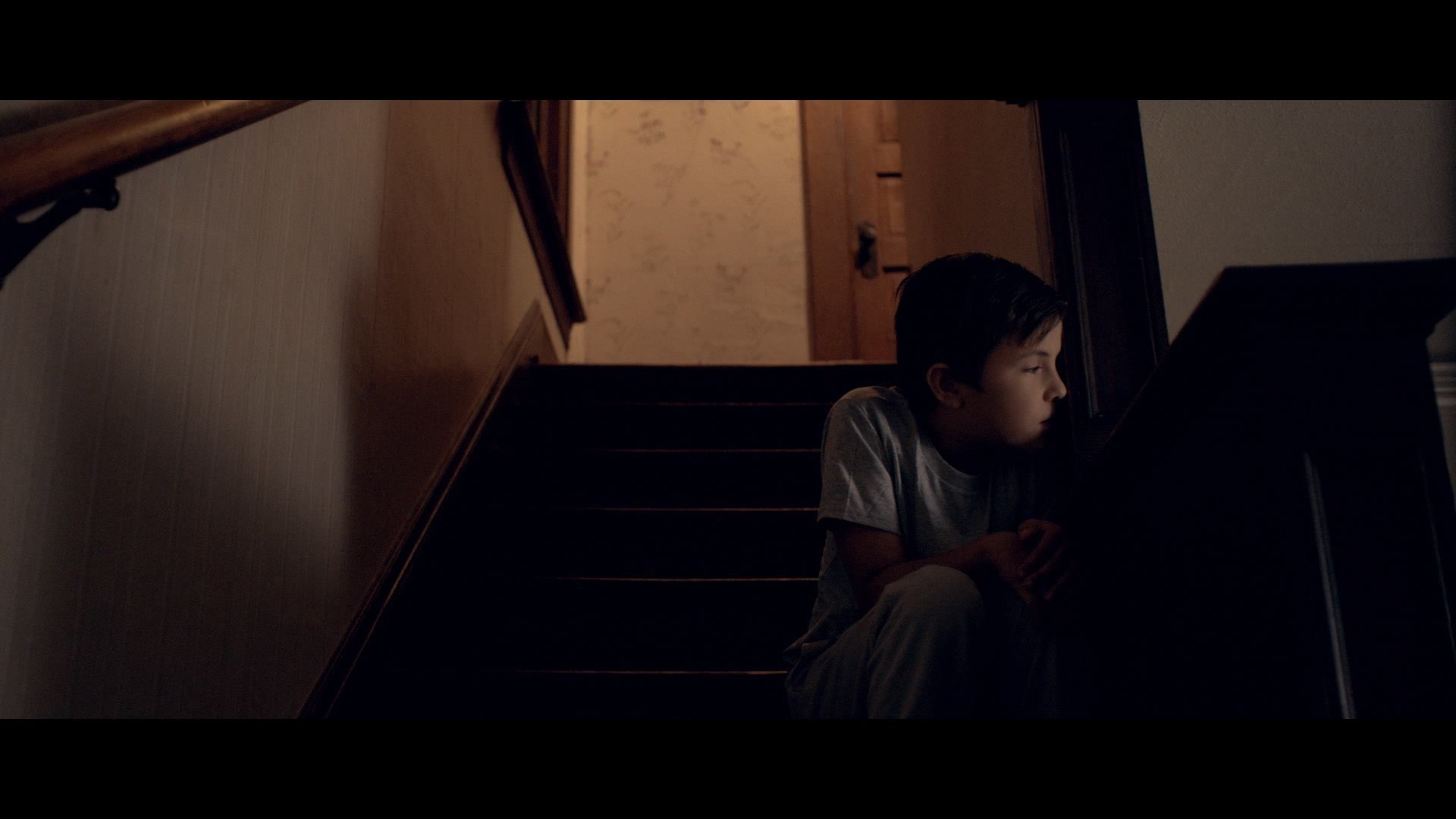 couple they’d invited over for the night. It’s a cinematic device that gives the audience a nostalgic point of entry into the terrible story his father tells about how he was spared from being gassed on the day of his arrival at the camp. The filmmaker, Mort Latimer told the film festival audience that he was the boy on the stairs and
 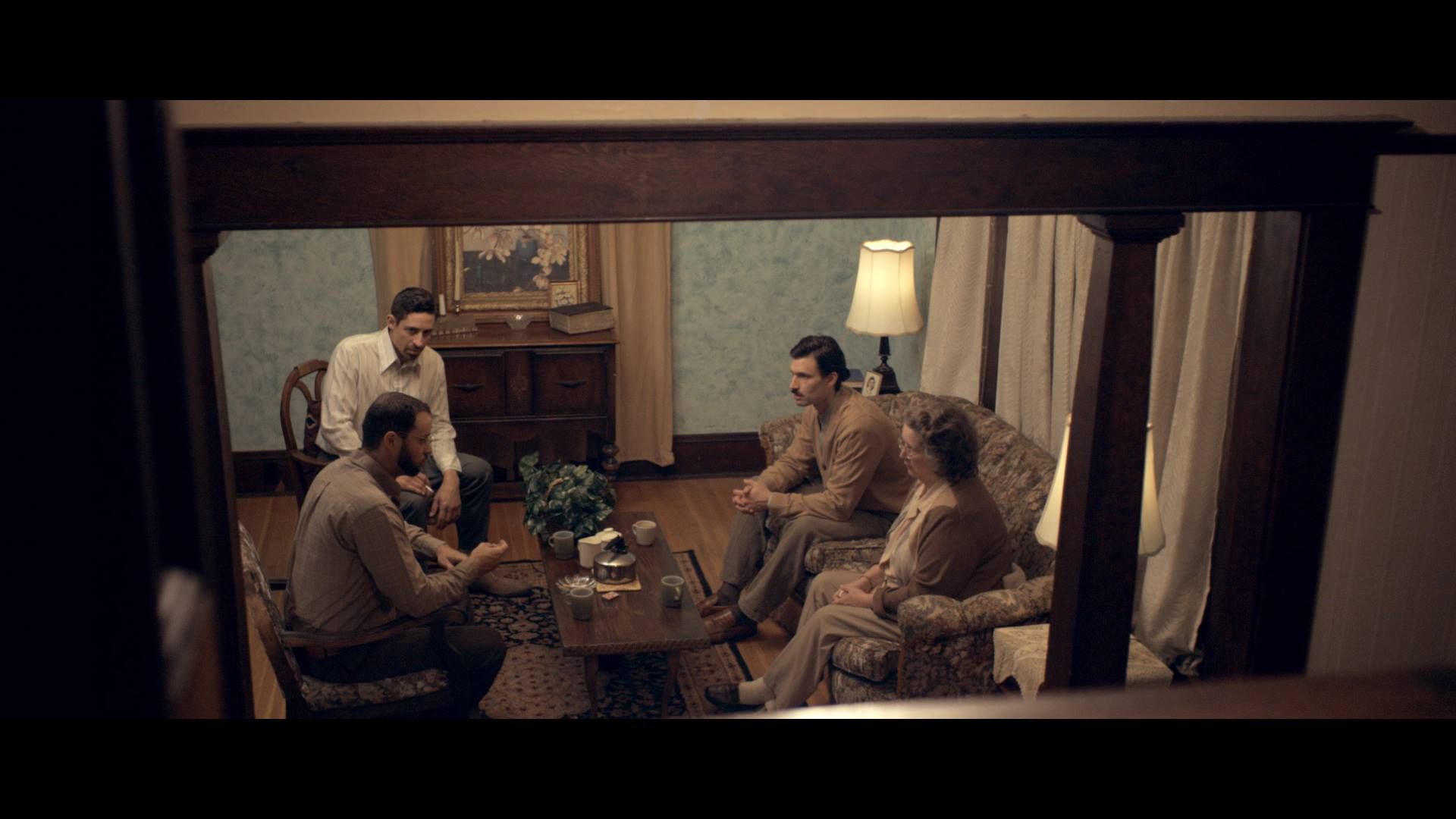 that it was his father who’d cheated death at Auschwitz that day.
Latimer went on to say that he’s aware of a number of Holocaust survivors who’ve seen The Stairs, and that all have been deeply touched by his presentation, which continues his father’s mission of ensuring that people never forget what took place there during the Second World War. In that vein, he is most proud of the outreach the film performs among younger generations, who have read or heard about the Holocaust but have no first-hand knowledge of the tragedy.
January 27, 20
Centers for the Arts of Bonita Springs