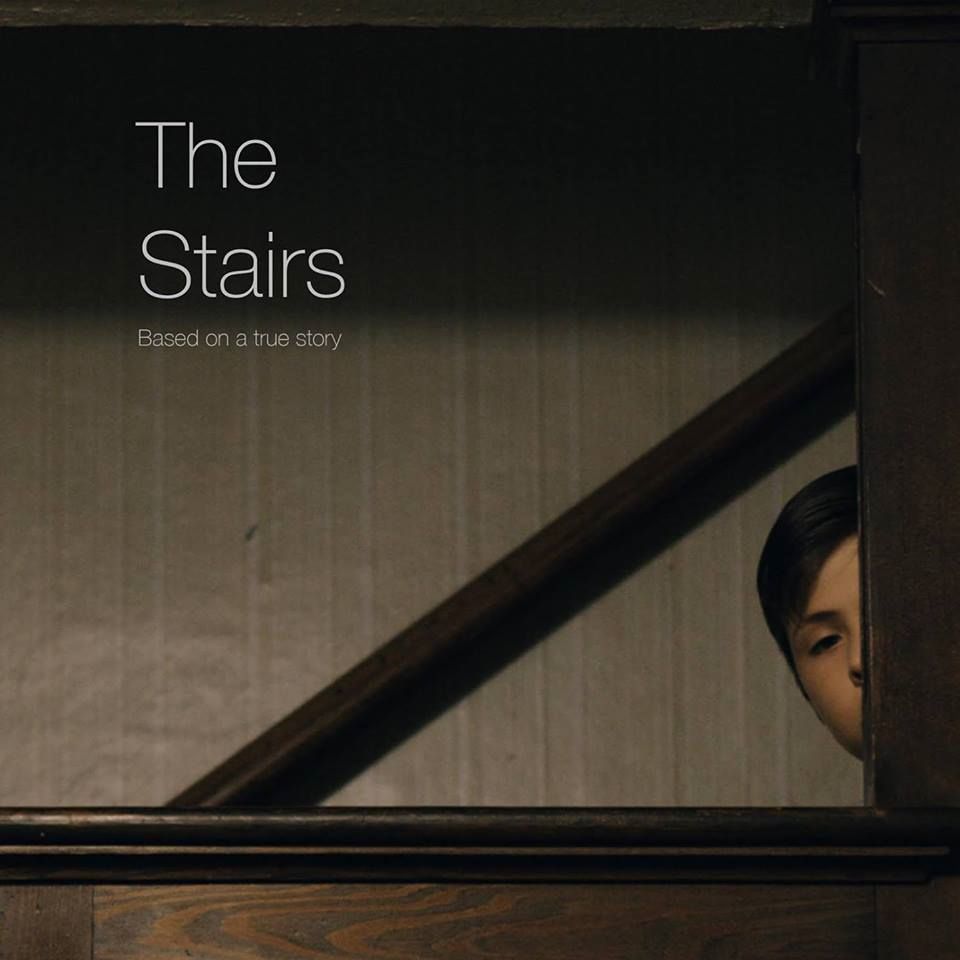
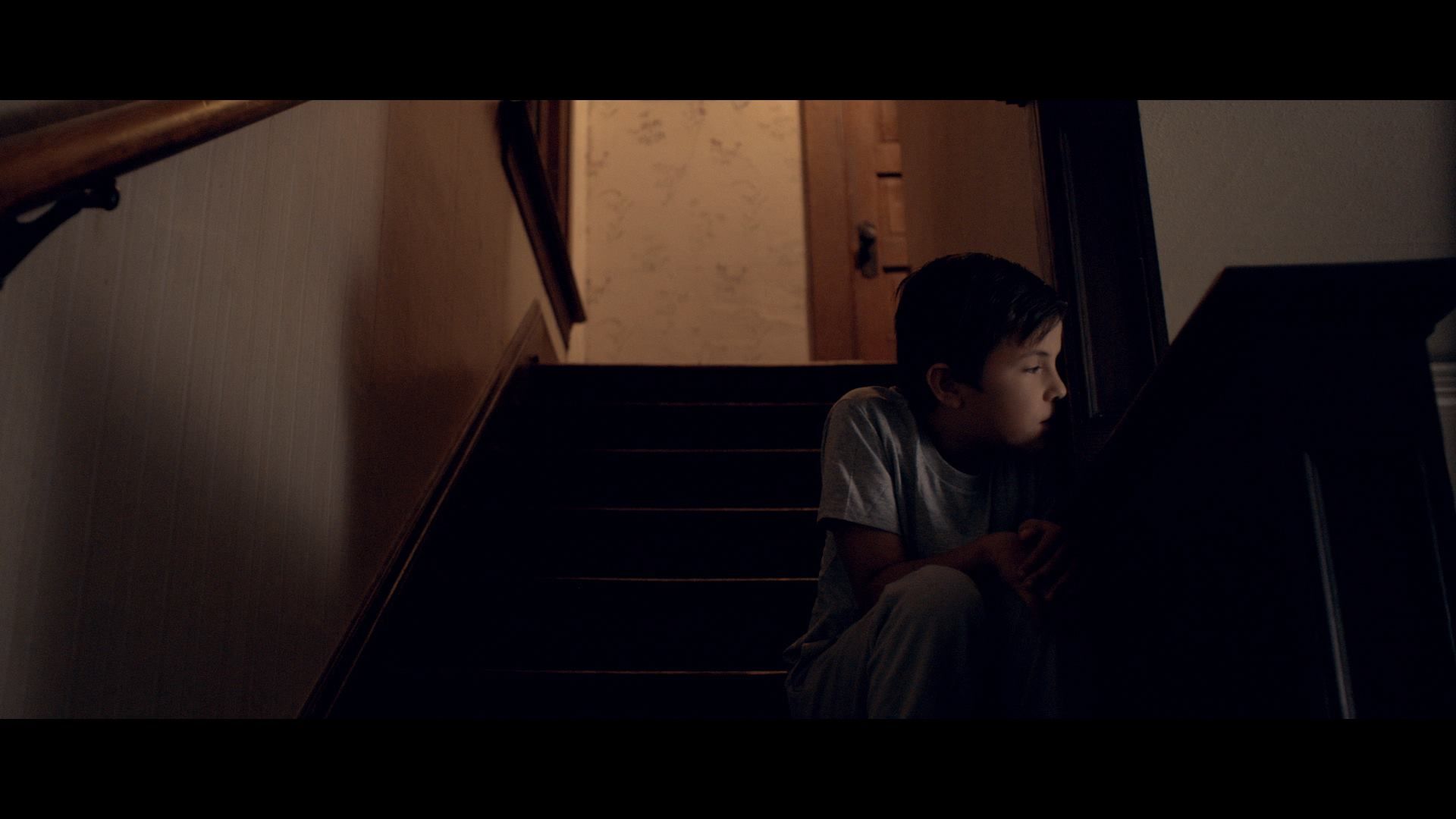
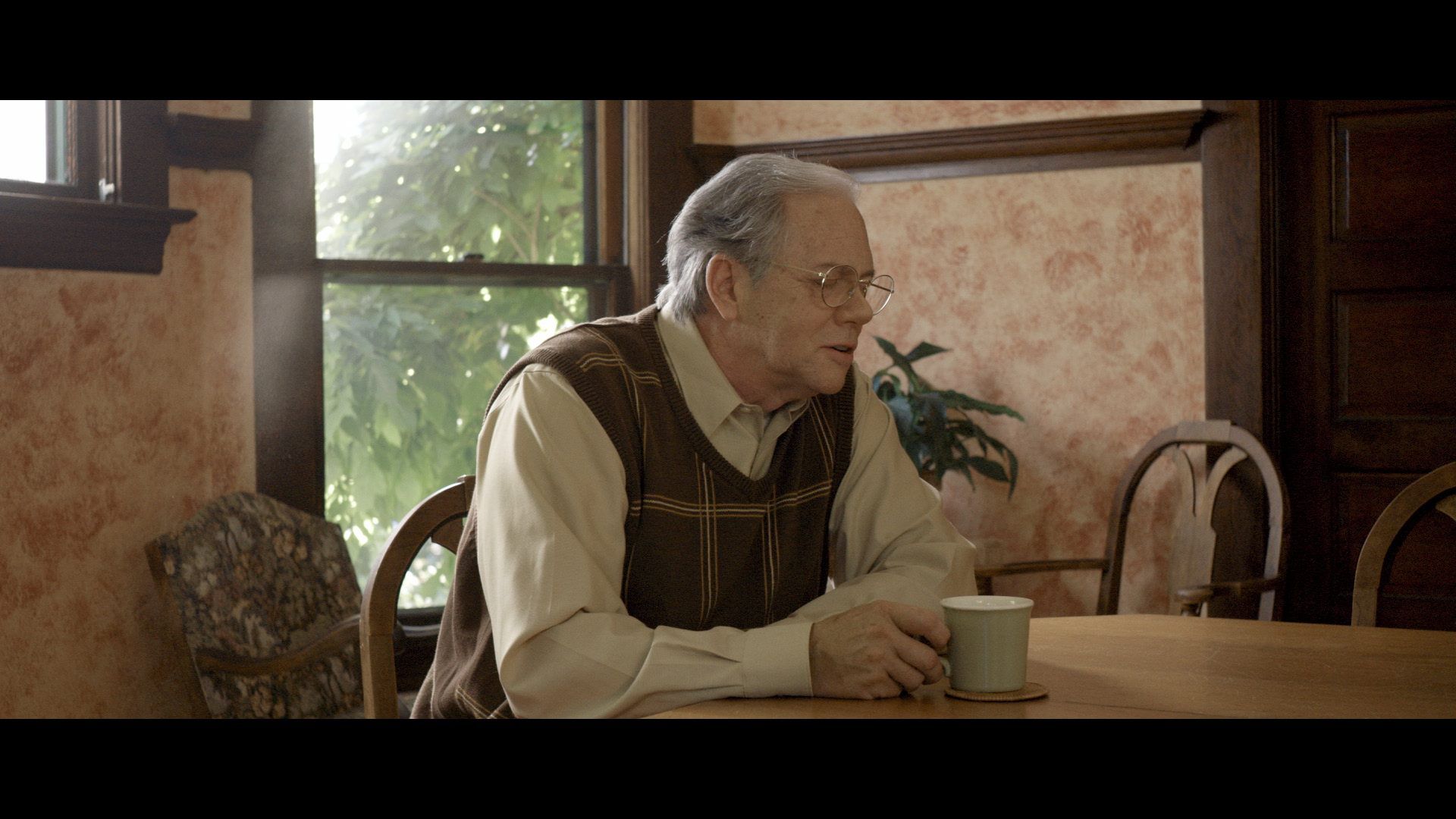
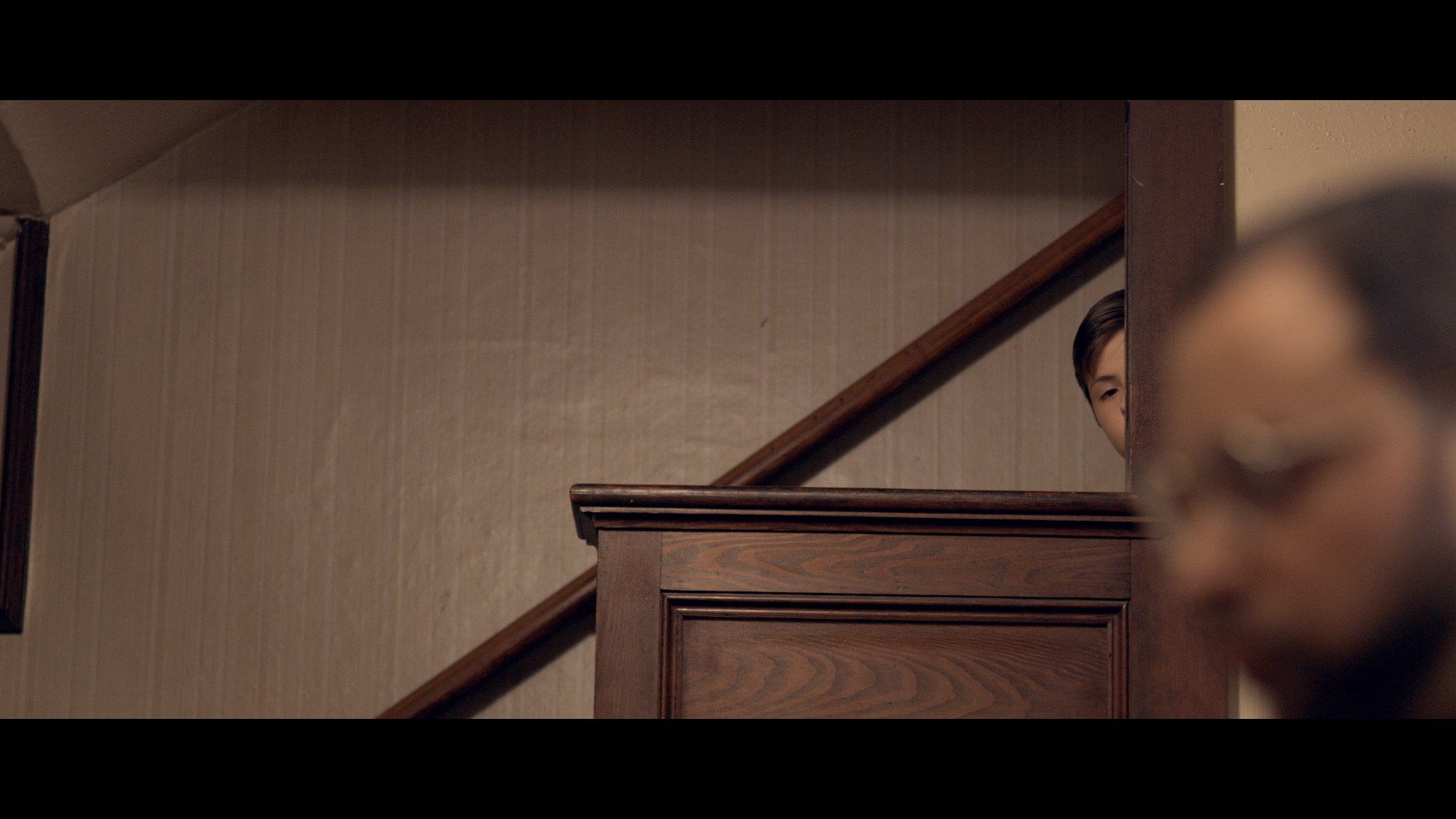
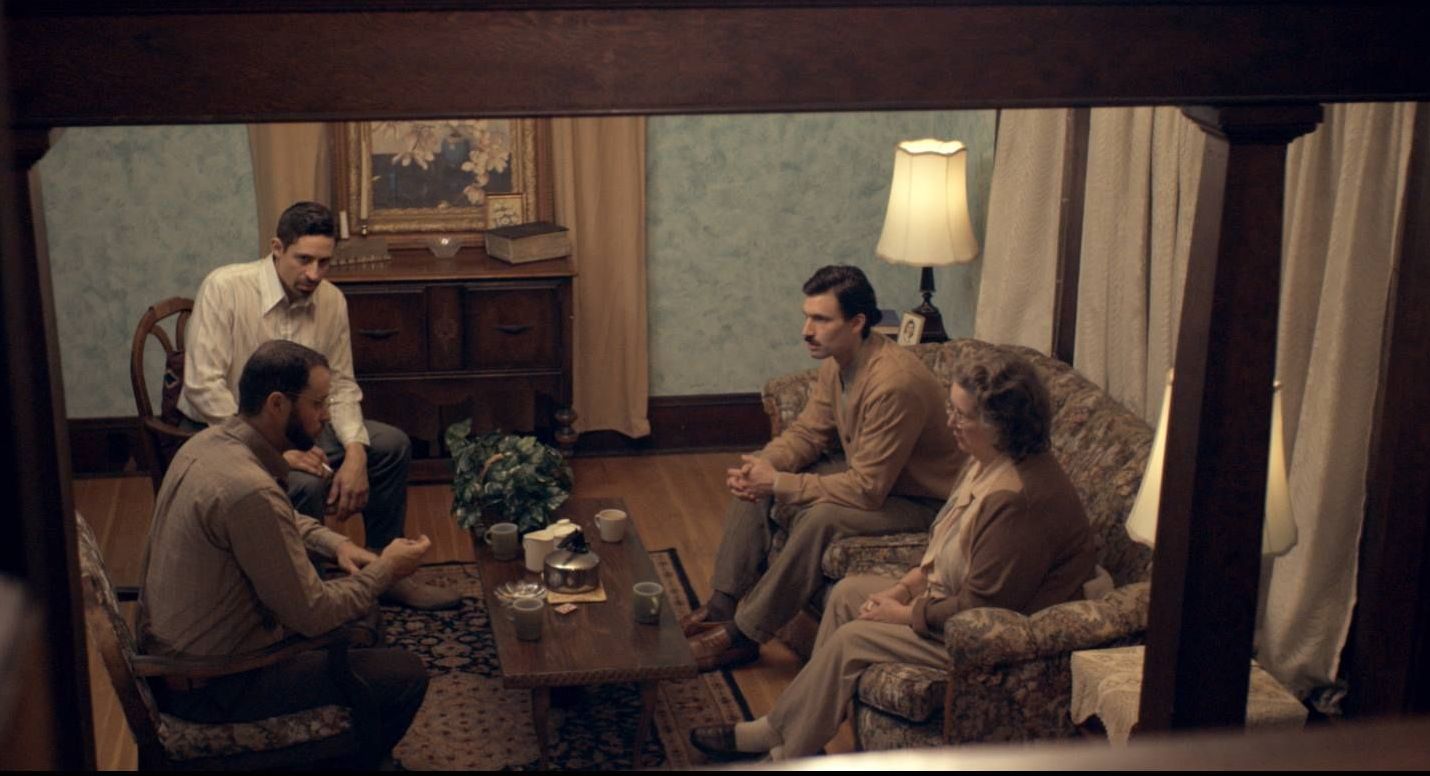
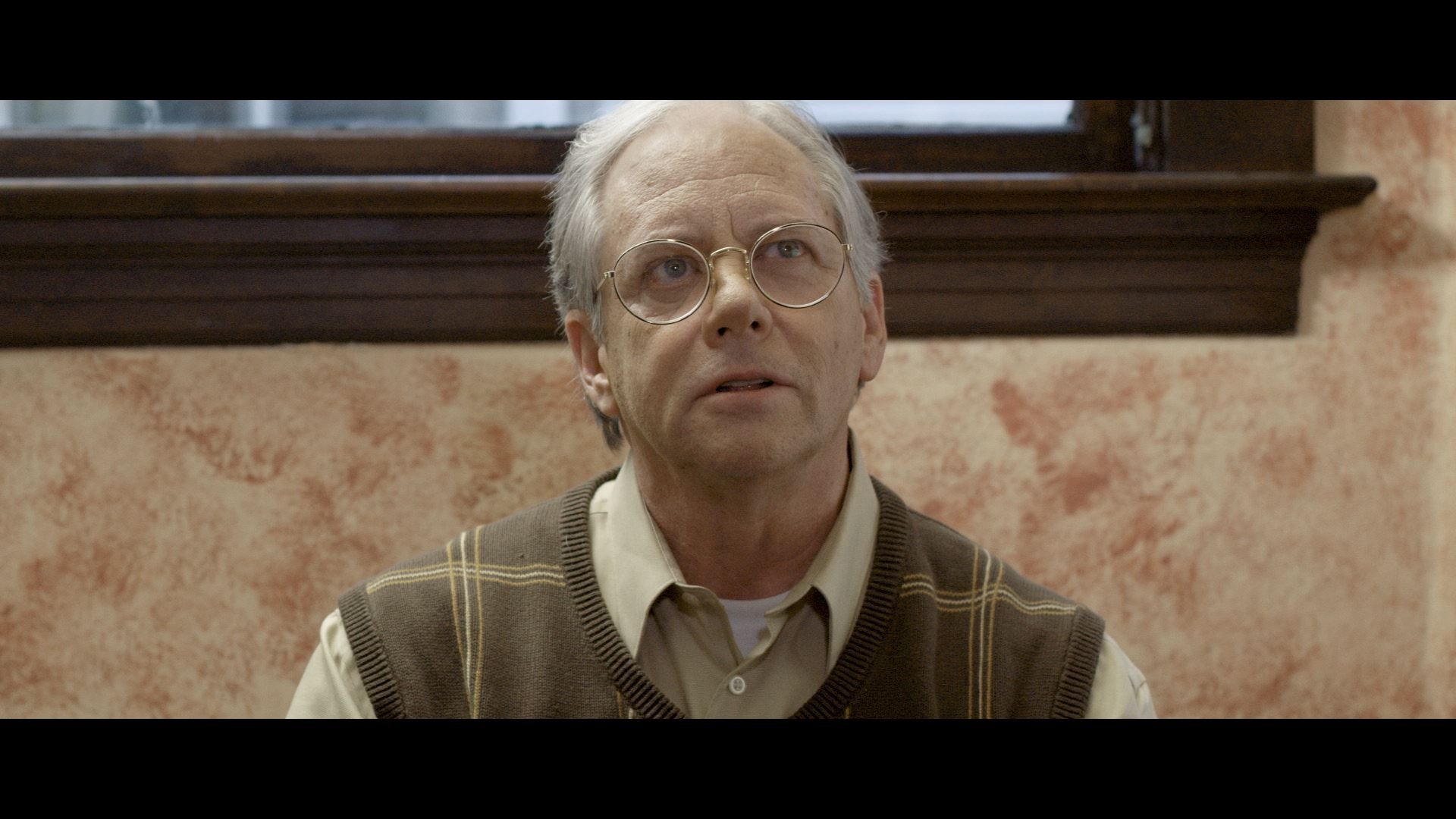
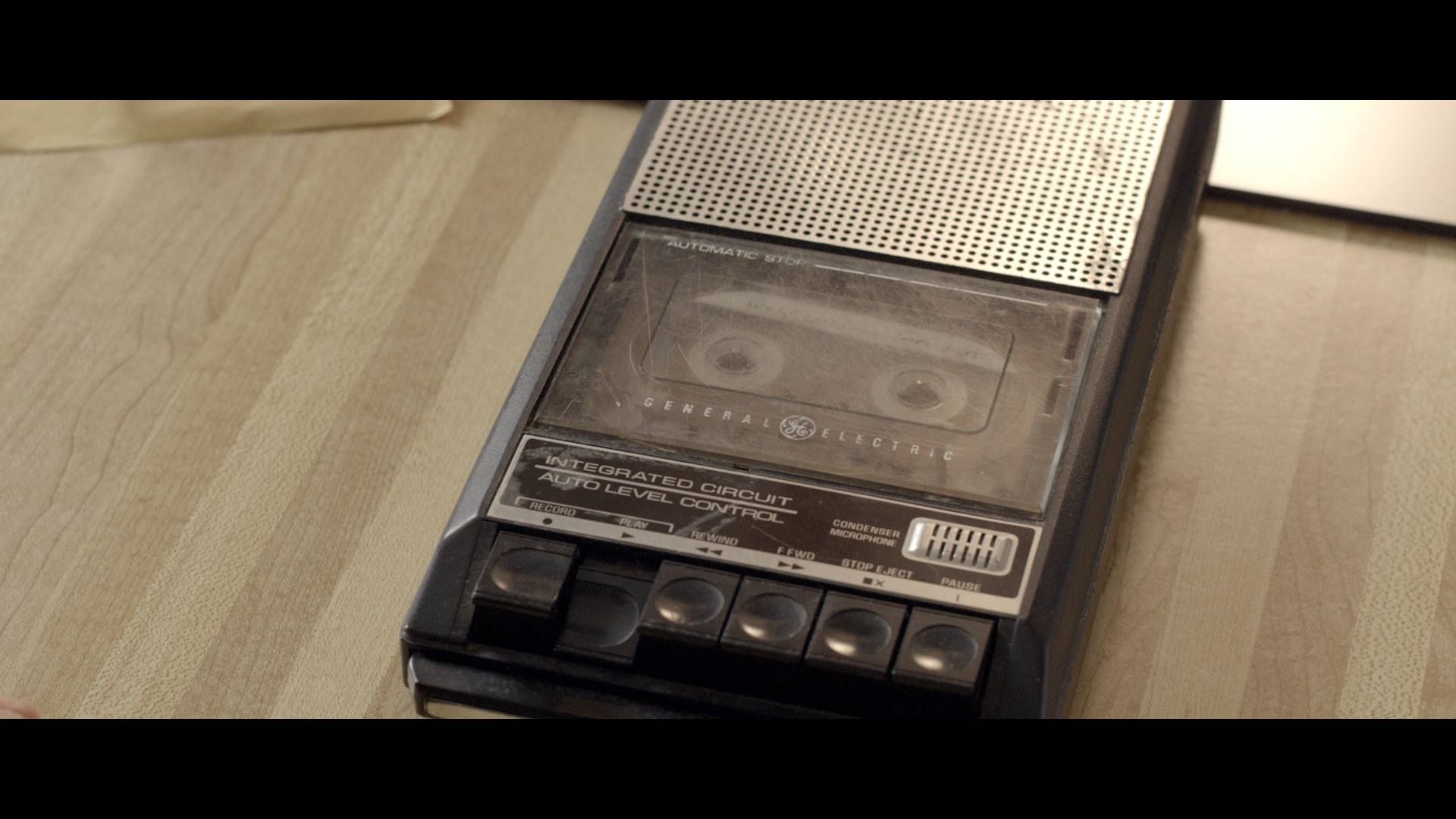
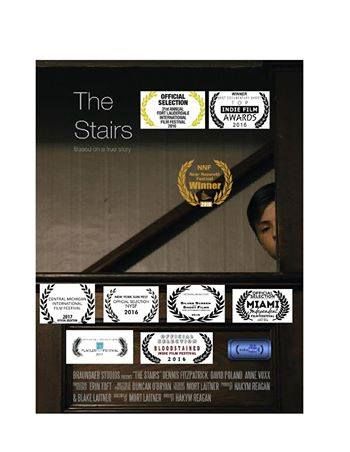
 The Stairs is a poignant recounting by a Holocaust survivor of his most harrowing day at Auschwitz. He’s unable to tell this story to his son face to face, but he records his account of the day he arrived at the death camp and has the cassette tape mailed to his son after he’s died. But it turns out that the boy has already heard is father’s story. You see, he sat on the stairs as a ten-year-old boy listening to his father tell the tale to company he and his mom had invited over to their house one the evening.
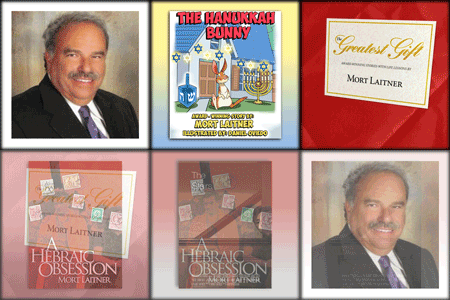
“That 10-year-old boy was me,” writer Mort Laitner 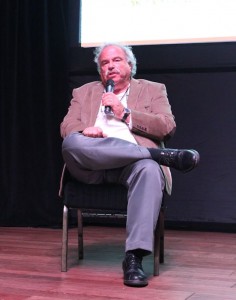 explains. Ten years ago, Laitner codified that experience in an eponymous short story that he had made into The Stairs some 18 months ago.
“Right now, I’m converting the screenplay for this 10-minute film into a feature film.”
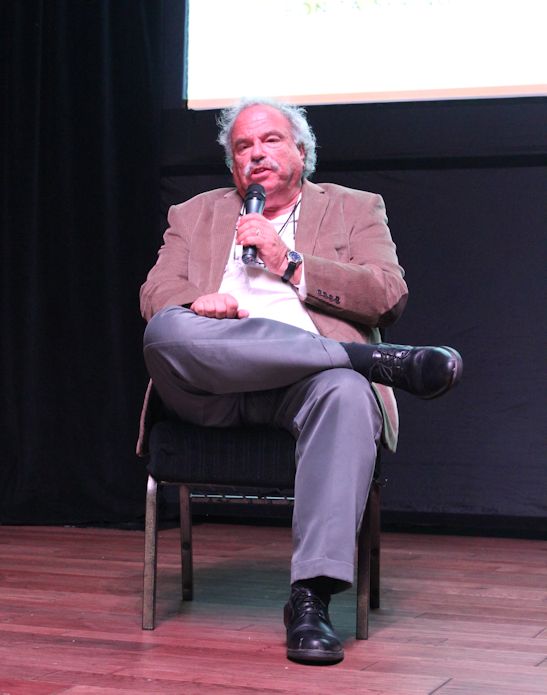
Laitner sees it as his duty to pass his father’s message along to new generations. He does that not only through the film, but by talking to audience members at every film festival he’s able to attend. To date, The Stairs has been juried into more than 20 film festivals in seven different countries. Mort has personally attended seven of 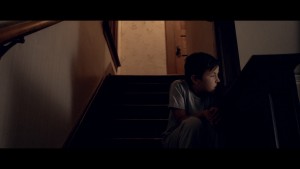 them, and he continues to be moved when people ask to shake his hand and share with him stories they’ve heard from Holocaust survivors they know or have met in their condos, schools and communities.
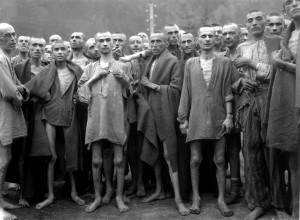
The children of people who lived through the Holocaust 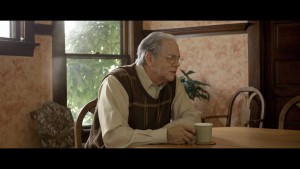 are known as second-generation survivors. There are an estimated 250,000 second-generation survivors living in America today. Like Leitner, many feel an obligation to document their parents’ stories whether in a book, personal computer or home video.
 “Practically everyone wants to know about their family heritage, but most of us don’t realize how important it is until our parents and grandparents are gone,” posts Joey Korn on remember.org (A People’s History of the Holocaust & Genocide). “This goes for everyone, not just survivor families. I know there are many unpublished manuscripts out there, written by survivors. Many others can
  still get their stories down on paper. With self-publishing as easy as it is today, everyone can publish their own stories, even if just for their families. I encourage everyone to do this.”
And so does Laitner. He recommends that everyone write a 10 to 20 page memoir describing what they’ve learned in life. “Place it with your will in your 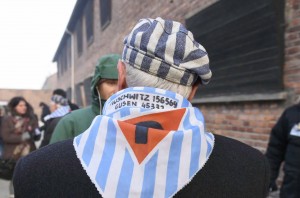 safe deposit box so that it can be passed on to your kids or relatives,” Mort urges. “That way, they can learn from your life.”
For second-generation survivors, the life lessons they’ve learned from their parents is more important than ever.
“Tragically, and contrary to our resolve, anti-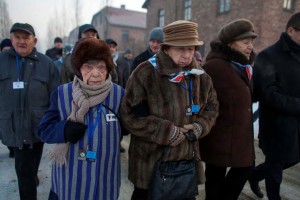 Semitism continues to thrive,” U.N. Secretary-General Antonio Guterres said this past January 27. “We are also seeing a deeply troubling rise in extremism, xenophobia, racism and anti-Muslim hatred. Irrationality and intolerance are back.”
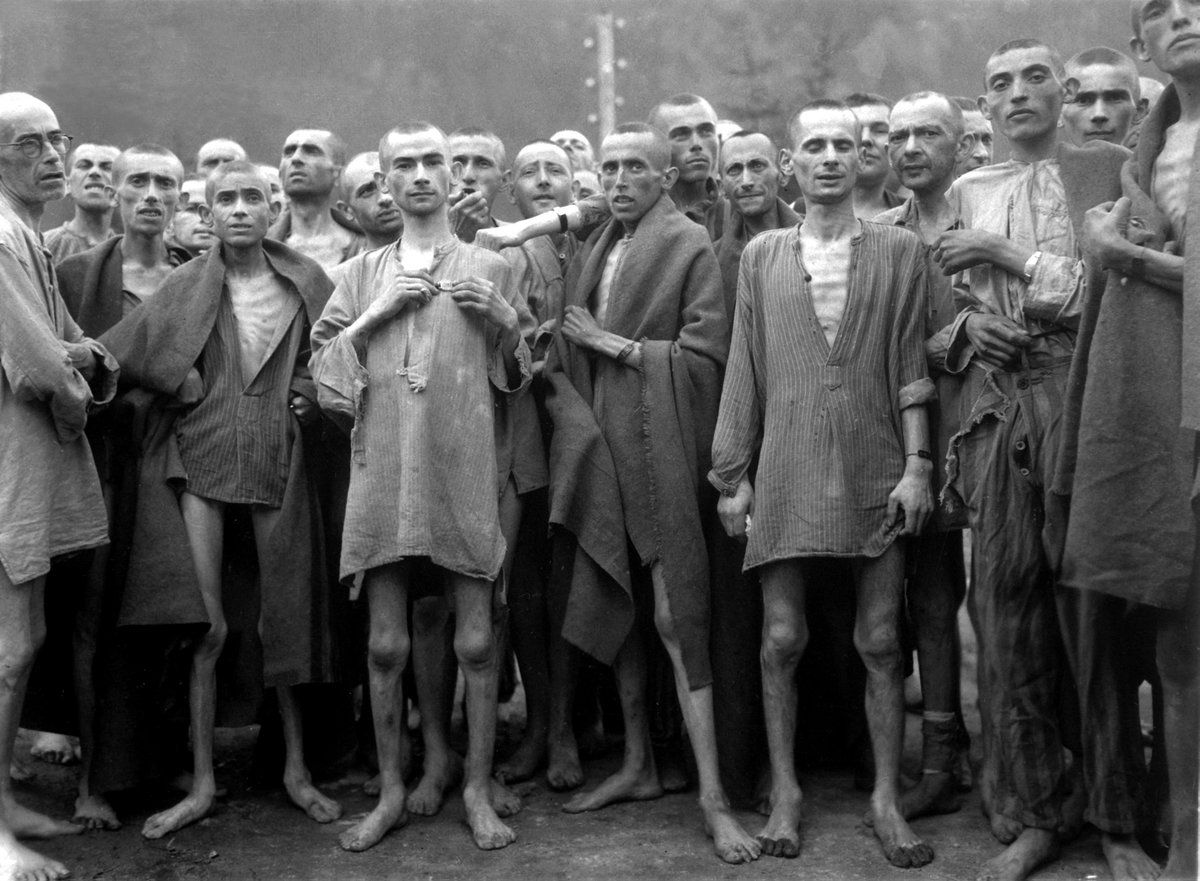
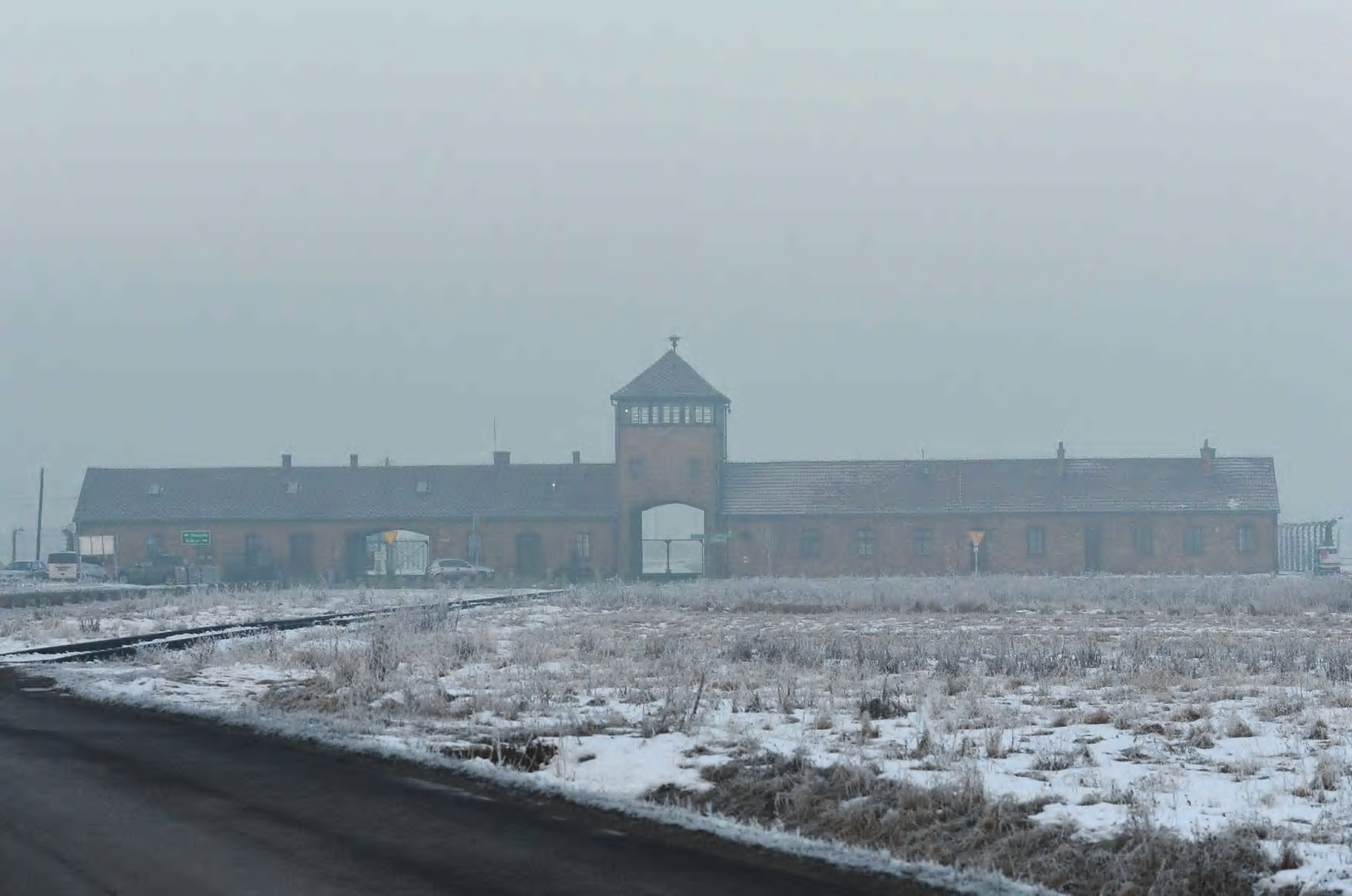
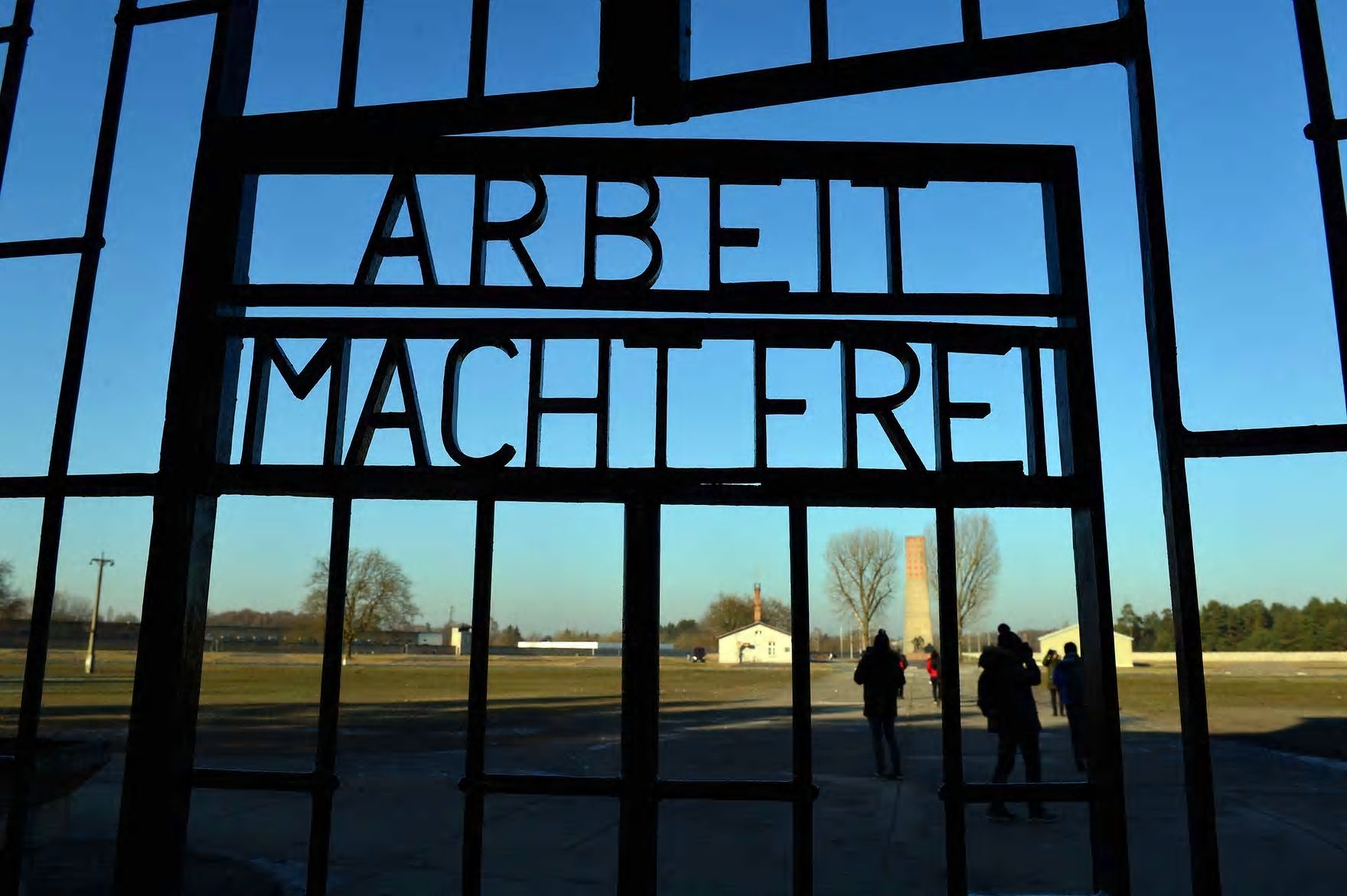
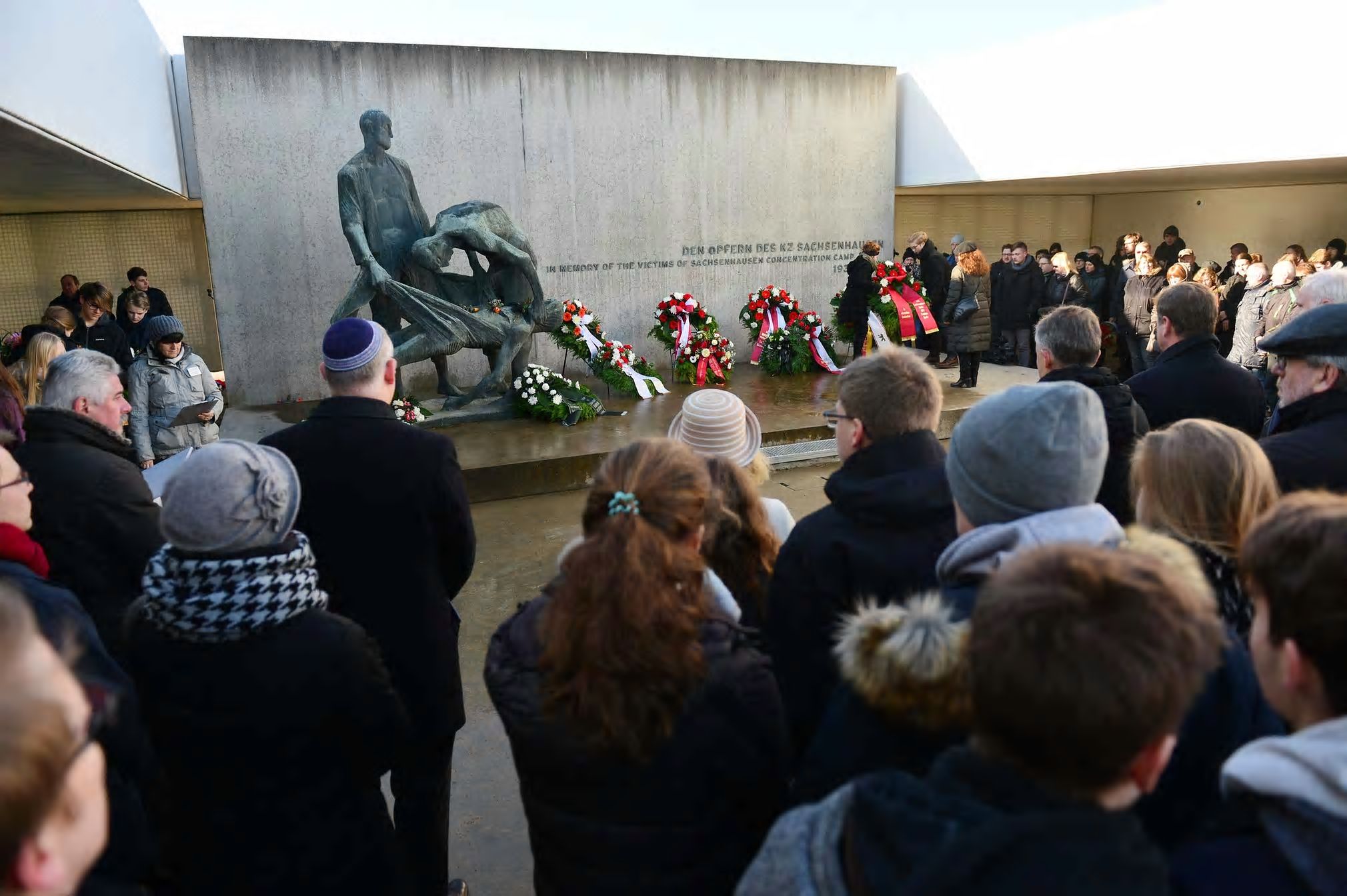
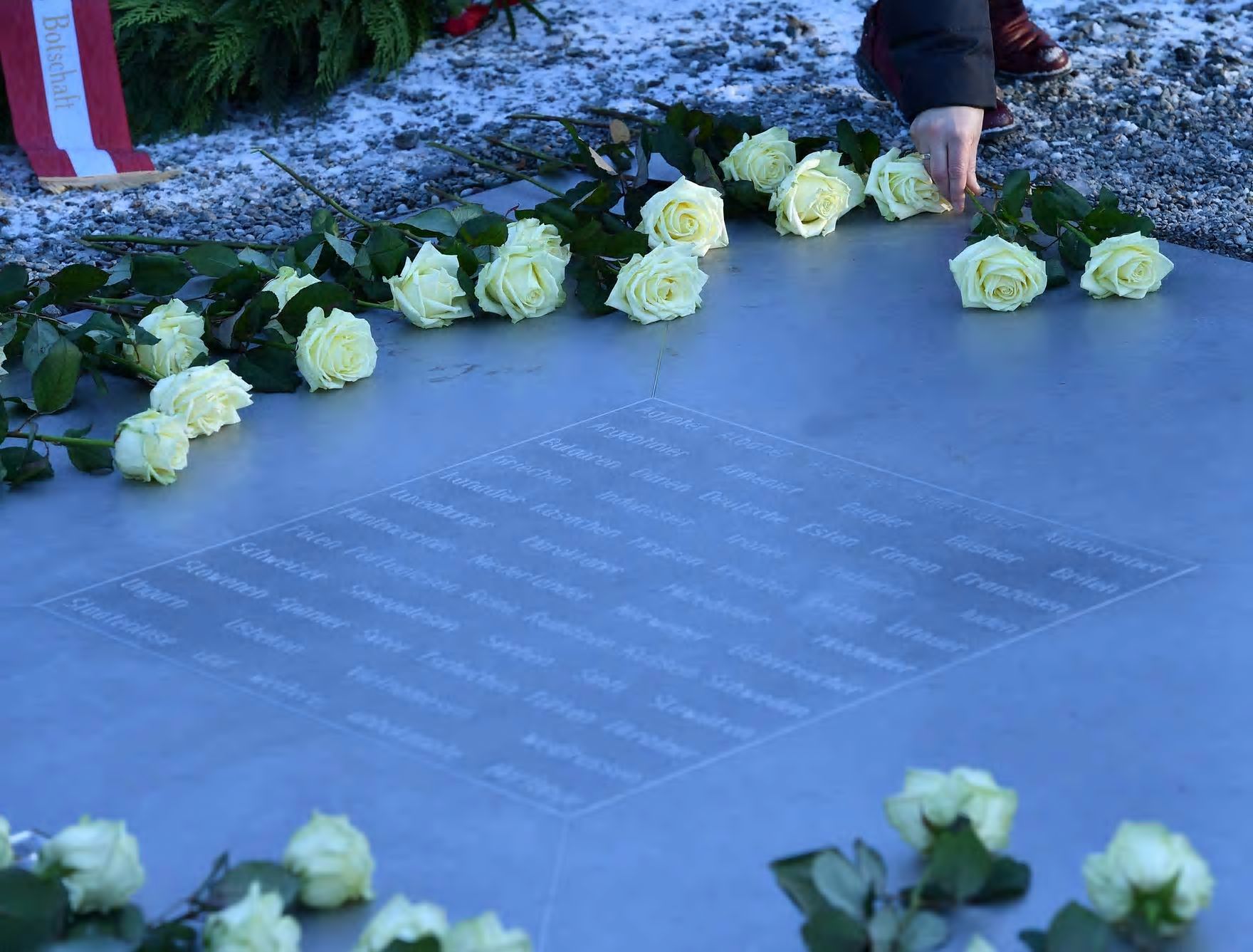
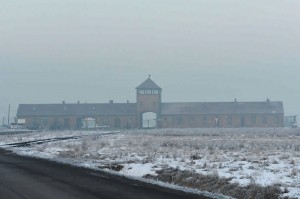
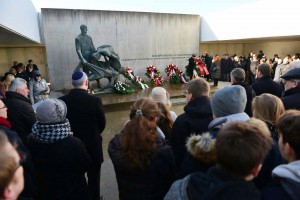
The Auschwitz-Birkenau death camp was liberated by the Red Army on January 27, 1945. In 2005, the United 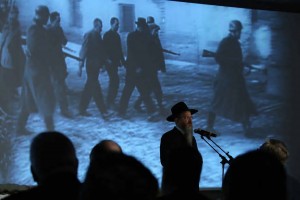 Nations General Assembly chose that as the date to commemorate the genocide that resulted in the death of an estimated 6 million Jewish people, 2 million Romani people, 250,000 mentally and physically disabled people, and 9,000 homosexual men by the Nazi regime and its collaborators.
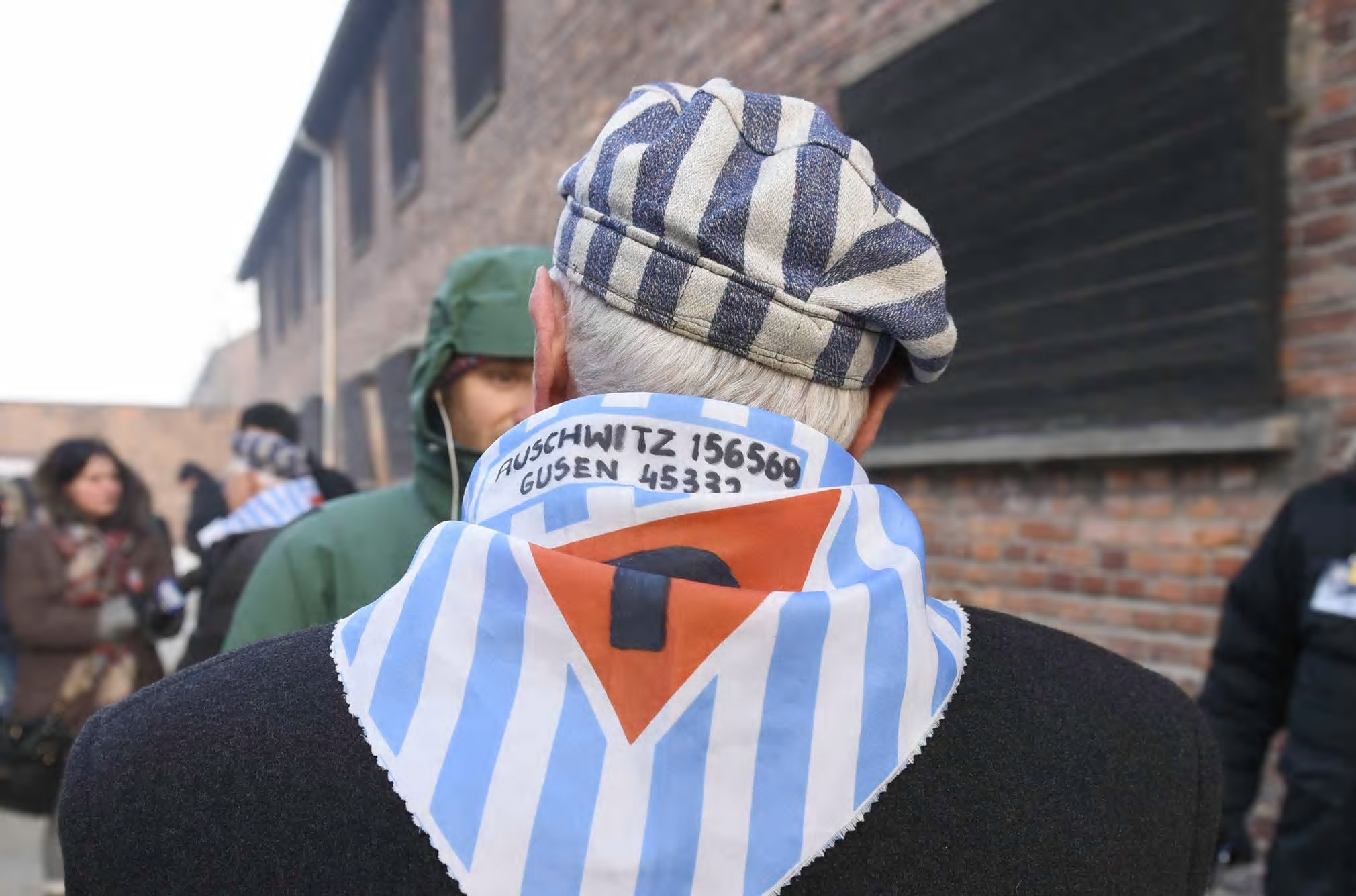
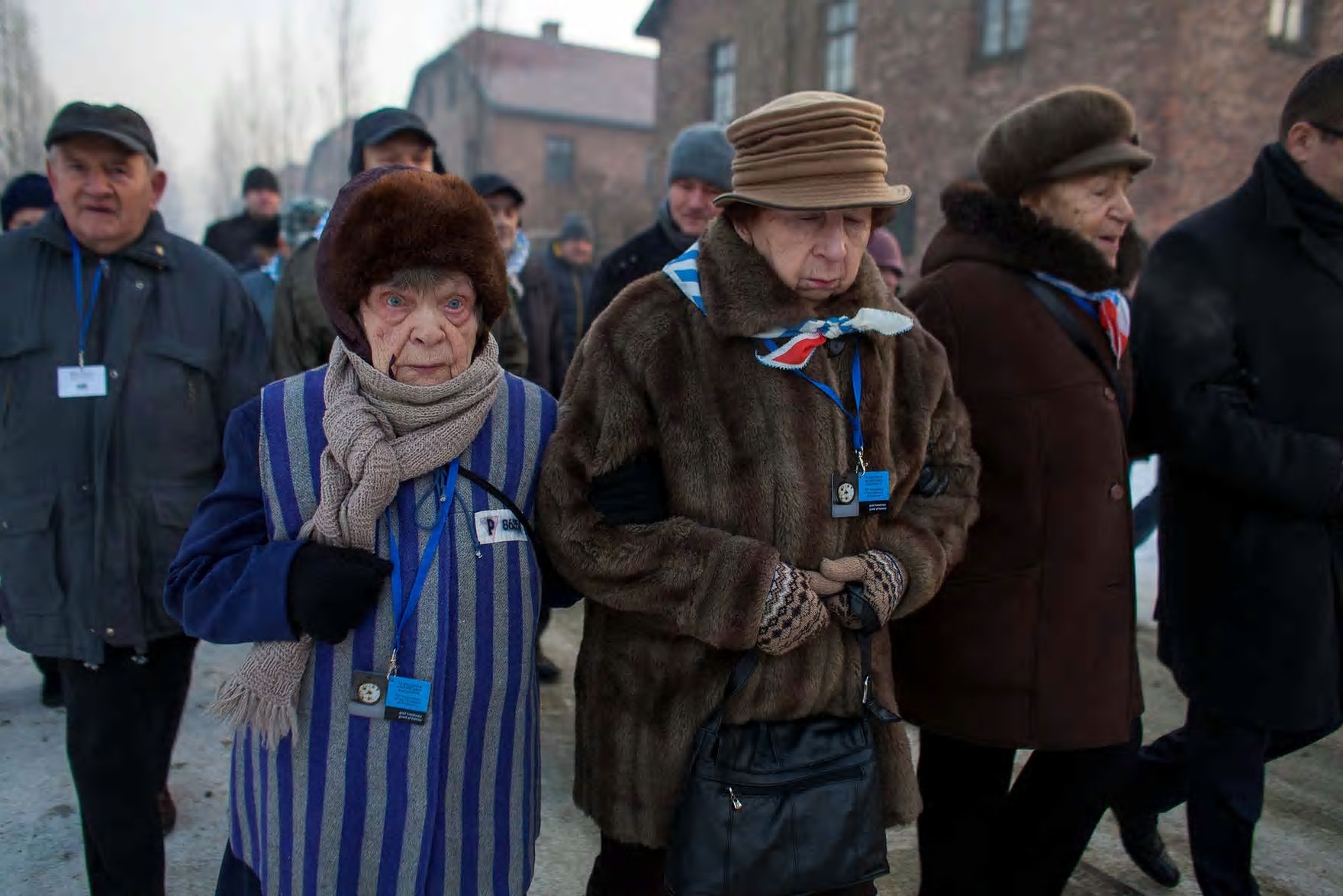
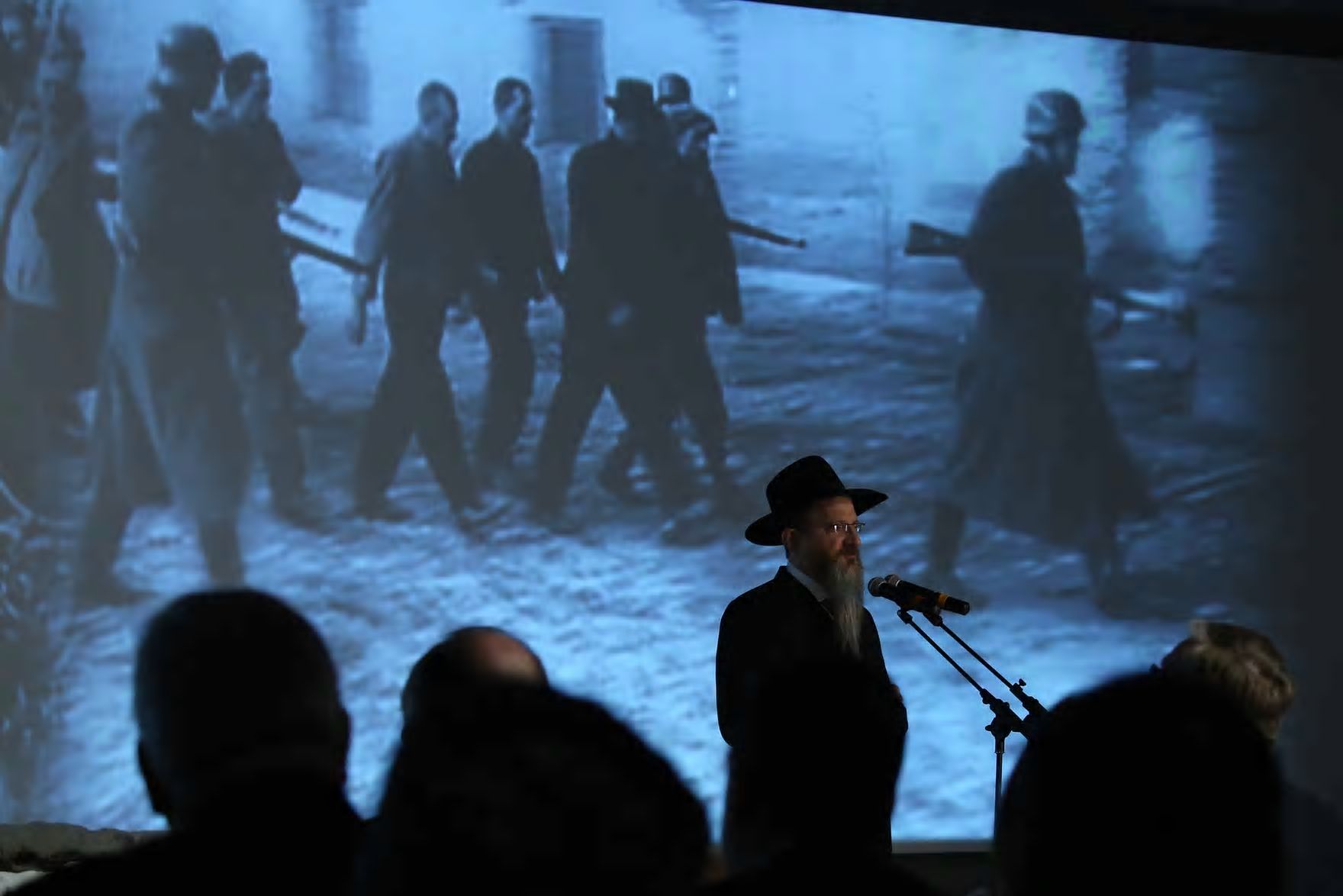
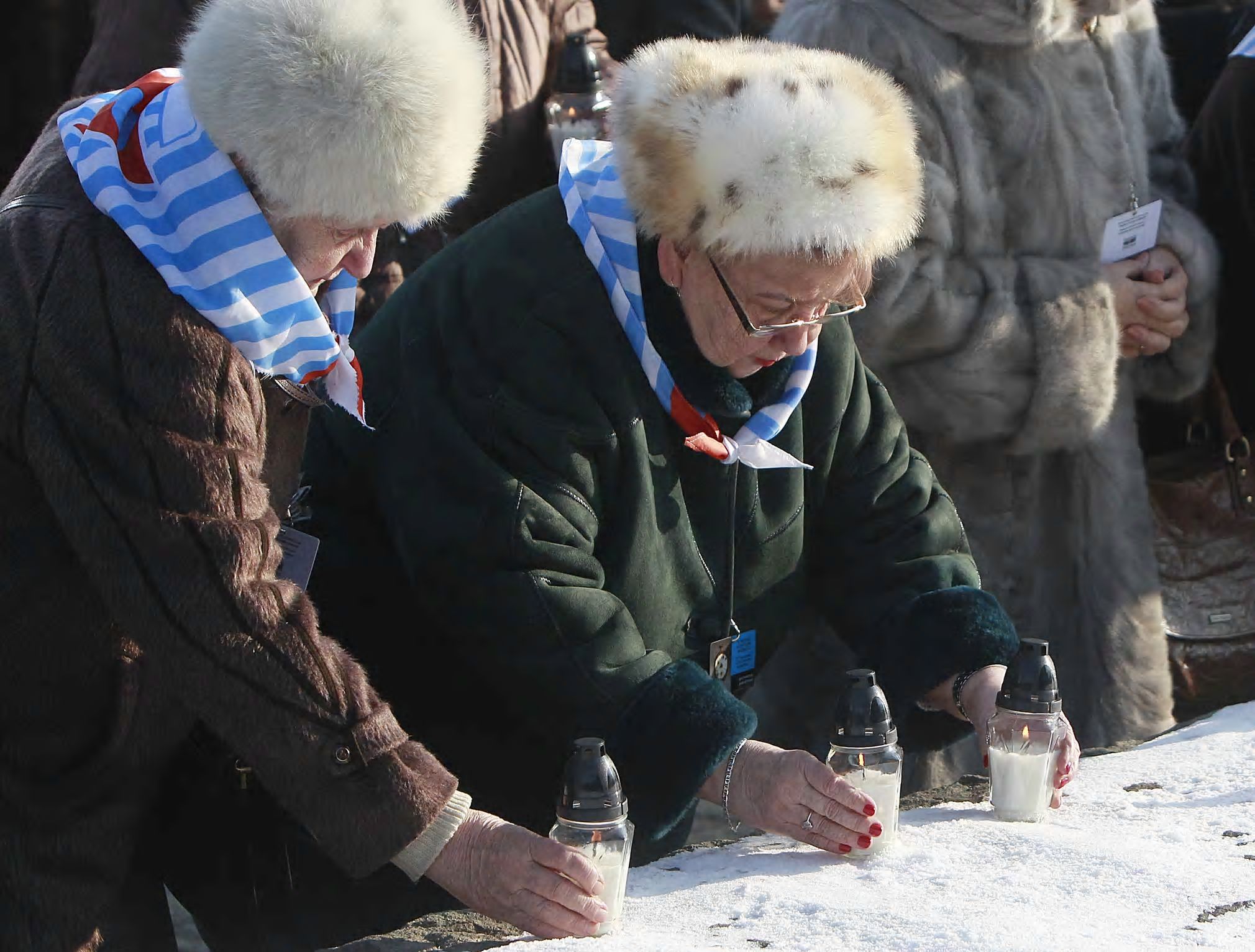
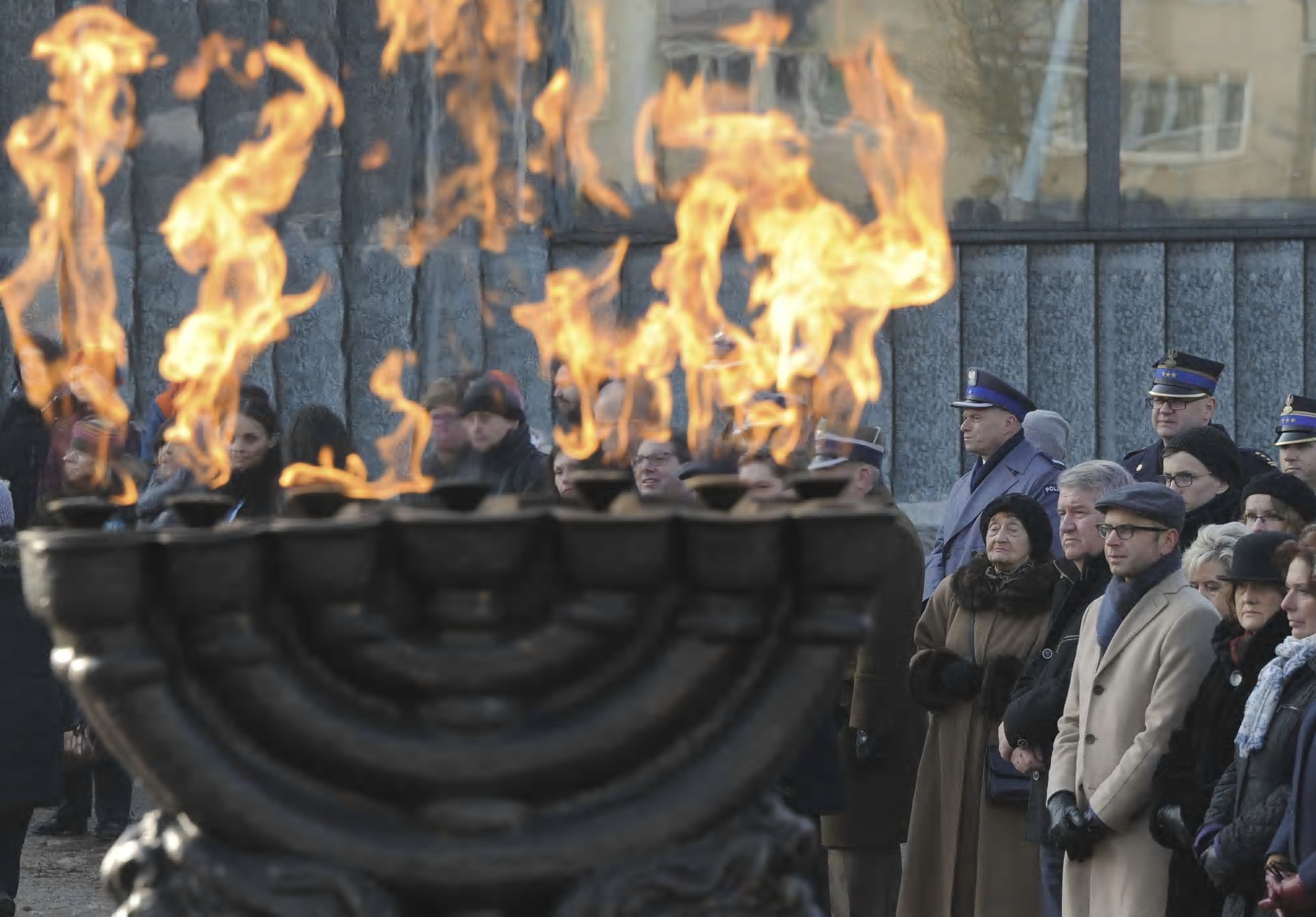
Each Holocaust Remembrance Day since then, 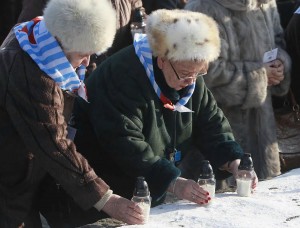 hundreds of first and second-generation survivors, political leaders and representatives of Jewish communities throughout Europe make a pilgrimage to the Auschwitz memorial and museum in the Polish town of Oswiecim to pray over the ruins of the gas chambers. That happened again this year, with one notable difference. Echoing the U.N. Secretary-General’s remarks, many Jewish and Christian leaders warned of
  rising xenophobic hatred against Jews, Muslims and others. Poland’s Prime Minister, Beata Szydlo (who is from Oswiecim) recalled the “destruction of humanity” and the “ocean of lost lives and hopes” that resulted from the German genocide.
“History should be a lesson, warning and incentive all at the same time,” said outgoing Foreign Minister Frank-Walter Steinmeier in Germany.  Expressing concern over the political instability prevailing in the world today, he added, “There can and should be no end to remembrance.”
But one voice was conspicuously silent on Holocaust Remembrance Day – that of the newly-inaugurated president of the United States, Donald J. Trump. In fact, not only did he not publicly or 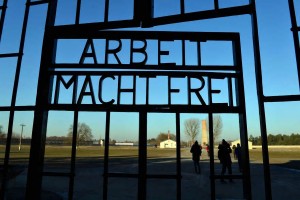 privately acknowledge the date, he chose Holocaust Remembrance Day to promulgate an executive order imposing a ban on the admission of Muslim refugees from seven Middle Eastern countries seeking asylum in the United States, causing many to draw parallels to the United States’ refusal to admit Jews fleeing the Nazi regime in the 1930s, including Anne Frank and her
  family.
Obviously, there is work to be done both here and abroad, and that’s a huge factor in Mort Laitner’s efforts to show The Stairs to as many film lovers as he can. “I see that even with people who have very little knowledge of the Holocaust that I’ve opened their eyes a little bit,” says Mort with pride mixed  with satisfaction. “Hopefully that will inspire them to learn more on their own.”
As this past Holocaust Remembrance Day underscores, it’s never too late for people to educate themselves about the dangers of targeting particular cultures or ethnic groups. Do your part. Make sure you see this film during the running of the Seventh Annual Fort Myers Film Festival. Laitner 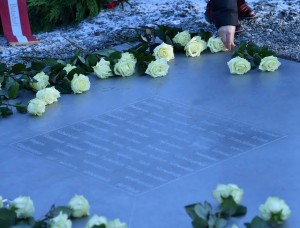 plans on attending the Fort Myers Film Festival. Be sure to bend his ear.
February 10, 2017